
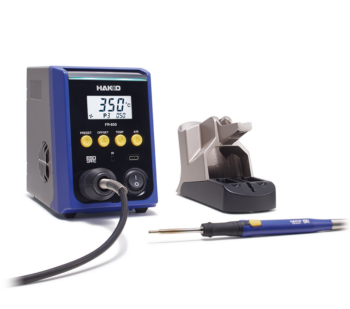
A printed circuit board can go through several stages before becoming a finished electronic assembly. Even with controlled manufacturing processes, some boards may require component replacement, solder correction, desoldering or repair after testing. This is where a PCB Rework Station becomes an important part of an electronics repair and manufacturing setup.
A rework station provides the tools needed to remove, replace or repair electronic components without replacing the complete PCB. Depending on the type of station, technicians can work with surface-mount devices (SMD), through-hole components, ICs, connectors and other electronic parts.
For electronics manufacturers, repair centres, service engineers and design laboratories, having the right PCB rework equipment can help reduce component damage, improve repair accuracy and make repetitive repair work easier to manage.
What Is a PCB Rework Station?
A PCB Rework Station is specialised equipment used to repair or modify electronic components mounted on a printed circuit board. It can combine functions such as soldering, desoldering, hot-air heating and component removal in one setup.
The exact configuration depends on the application. A basic hot-air rework station may be suitable for removing and replacing SMD components, while an advanced system may include multiple handpieces, a desoldering gun, vacuum pickup and temperature-controlled heating.
Sumitron’s rework station range includes different Hakko systems designed for various PCB repair and rework requirements. The range covers hot-air SMD rework as well as multi-function soldering and desoldering systems.
Why Is PCB Rework Required?
PCB rework may become necessary at different points during electronics production, inspection, testing and servicing. A component may be incorrectly positioned, a solder joint may not meet the required standard, or a component may fail during testing.
Rework allows technicians to correct these issues at the component or solder-joint level instead of replacing the complete PCB. Common reasons for PCB rework include defective electronic components, incomplete solder joints, solder bridges, damaged components, incorrect component placement, SMD or through-hole component replacement, PCB modifications and repairs following electrical or functional testing.
How Does a PCB Rework Station Work?
The working method depends on the component and type of rework station being used. However, most PCB rework operations follow a controlled sequence to minimise unnecessary heat and mechanical stress on the board.
Identifying the Fault
Before heating or removing anything, the technician identifies the defective component, solder joint or damaged area. Visual inspection, electrical testing or other inspection methods may be used to locate the problem.
Correct identification is important because unnecessary heating can damage nearby components or PCB pads. The technician should also check the board layout and determine whether surrounding components are sensitive to heat.
Setting the Temperature
The appropriate temperature is selected according to the component, solder type, PCB construction and rework method. Temperature control is one of the most important features of a rework station because excessive heat can damage components, pads or the PCB itself.
Modern rework systems allow technicians to set and control temperature according to the requirements of the job. Some advanced systems can also create thermal profiles for more controlled SMD and BGA rework.
Heating and Component Removal
Hot air or another suitable heating method is applied to the solder joints. As the solder reaches its working temperature, the component can be removed without applying excessive mechanical force.
Some rework systems include vacuum pickup functions. For example, the Hakko FR-811 uses vacuum pickup to lift a component after the solder joints have melted, helping reduce the risk of damaging the PCB land through excessive force.
PCB Pad Preparation
After the damaged component has been removed, the soldering area needs to be prepared for the replacement component. Excess solder may be removed and the pads may be cleaned according to the requirements of the application.
A properly prepared surface helps the replacement component sit correctly and supports the formation of an appropriate solder joint.
Replacement and Soldering
The new component is positioned correctly and soldered using the appropriate tool and temperature setting. Depending on the component, this may involve a soldering iron, hot air or a specialised rework setup.
The finished joint should then be inspected to confirm that the component is correctly positioned and that there are no visible solder bridges or incomplete connections.
Types of PCB Rework Stations
Different PCB designs require different rework methods. Choosing the right station depends largely on the components being handled, the size of the PCB and the type of repair work performed.
The available systems range from compact hot-air stations for SMD components to multi-function systems that combine soldering, desoldering and rework capabilities. More specialised systems can also support complex component packages such as BGAs.
Hot Air Rework Station
A hot-air rework station uses controlled heated air to melt solder around SMD components. It is commonly used for removing and replacing resistors, capacitors, ICs and other surface-mounted components.
The advantage of hot air is that it can heat several solder joints at the same time without directly touching the component with a soldering tip. Sumitron offers the Hakko FR-850 Micro Hot Air SMD Rework as part of its rework station range.
Soldering and Desoldering Rework Station
A multi-function rework station combines soldering and desoldering capabilities with other rework functions. This type of setup is useful when technicians regularly handle different types of components on the same workbench.
The Hakko FR-702, for example, is a four-port rework station that combines soldering, desoldering and hot-air SMD rework. It uses a 140 W desoldering gun and a 670 W hot-air handpiece, along with a soldering iron.
BGA Rework Station
BGA components have solder connections underneath the package, making them more difficult to remove and replace using conventional hand-soldering tools. A BGA Rework Station provides more controlled heating for this type of component.
The Hakko FR-811 listed by Sumitron can create thermal profiles using six-zone hot air and a bottom heater. It can also measure and record PCB and component temperatures using a Type K thermocouple.
Key Features to Look for in a PCB Rework Station
Selecting a PCB Rework Station should be based on the type of PCB work being performed rather than simply choosing a system with the highest power rating. The right combination of temperature control, airflow, handpieces and safety features can make component-level repair more manageable.
Accurate Temperature Control
Temperature accuracy is essential when working with electronic components. Too little heat can leave solder partially melted, while excessive heat can damage components, PCB pads or nearby parts.
A good rework station should provide stable temperature control and allow technicians to set the temperature according to the soldering or desoldering requirement.
Adjustable Airflow
For hot-air rework, airflow is as important as temperature. Excessive airflow can move small components from their positions, while insufficient airflow may not distribute enough heat to melt solder evenly.
An adjustable airflow system gives the technician greater control when working with components of different sizes and PCB layouts.
ESD Safety
Electrostatic discharge can damage sensitive electronic components even when there is no visible physical damage. For this reason, ESD safety should be considered when selecting equipment for professional PCB repair and assembly environments.
An ESD-safe workstation helps reduce the risk of electrostatic damage while technicians handle sensitive electronic assemblies.
Thermal Recovery
Temperature can drop when a tool comes into contact with a PCB or component. Good thermal recovery helps the equipment return to the selected temperature quickly, supporting more consistent work.
This becomes particularly useful when technicians perform repeated soldering or desoldering operations.
Suitable Handpieces and Nozzles
Different components require different tools. A selection of soldering tips, hot-air nozzles and desoldering nozzles can make a rework station more versatile.
The Hakko FR-702 supports different handpieces and a range of tips and nozzles for soldering and desoldering applications.
Benefits of Using a PCB Rework Station
A PCB Rework Station can provide greater control over component removal, replacement and solder correction than basic manual tools. This makes it useful for electronics manufacturing, repair, prototyping and servicing applications.
The benefits can vary depending on the equipment configuration, component type and operator experience, but several advantages are common across professional rework applications.
Saves Usable PCBs
A defective component does not necessarily mean that the entire PCB needs to be discarded. With suitable rework equipment, technicians can remove the defective part and repair the board.
This can be particularly useful during production testing, where only a small percentage of boards may require correction.
Improves Repair Accuracy
Controlled temperature, airflow and specialised handpieces provide greater control than improvised heating methods. This helps technicians perform component removal and replacement with greater precision.
Supports SMD and Through-Hole Repair
Depending on the station configuration, a single workstation can support different types of PCB repair. Multi-function systems can handle soldering, desoldering and hot-air SMD work from the same setup.
Reduces Component and PCB Damage
Applying excessive mechanical force while removing a component can damage PCB pads and tracks. Controlled heating and vacuum pickup can make component removal more controlled.
The FR-811, for example, uses a vacuum pickup system that lifts the component once the solder has melted, helping reduce the risk associated with pulling a component before the solder has fully released.
Useful for Prototyping and Development
PCB rework is not limited to production defects. During product development, engineers often need to change components, modify circuits or test different component values.
A suitable rework station allows these changes to be made without manufacturing a completely new PCB for every modification.
Applications of PCB Rework Equipment
PCB rework equipment is used across manufacturing, servicing, repair, prototyping and research environments. The exact equipment required depends on the PCB design, component package and type of rework involved.
From correcting manufacturing defects to replacing individual SMD components, rework systems can support different stages of the electronics product lifecycle.
- Electronics Manufacturing: Manufacturers use rework stations to correct production defects, replace failed components and perform repairs after functional testing.
- PCB Assembly and Repair: PCB assembly facilities may need to rework boards where solder joints or components do not meet inspection requirements. A dedicated workstation provides the necessary tools for these corrections.
- Automotive Electronics: Automotive electronic assemblies can contain densely populated PCBs with different component types. Rework equipment can be used for component repair and replacement during manufacturing or servicing.
- Consumer Electronics: Consumer electronics such as appliances, communication devices and electronic control systems contain PCBs that may require component-level repair.
- Research and Development: Engineering teams use rework stations while developing and testing new PCB designs. Components can be replaced or circuit changes can be made without producing a new board for every iteration.
- Service and Maintenance Centres: Electronic service centres frequently deal with damaged or failed components rather than complete PCB replacement. A PCB Rework Station can support component-level repair and reduce unnecessary board replacement.
PCB Rework Station vs Soldering Station
Although both systems are used for electronics work, their functions can differ considerably. A soldering station is primarily designed for soldering and related hand-soldering tasks, whereas a PCB rework station generally provides additional capabilities for removing and replacing components.
For example, a basic soldering station may be sufficient when a technician needs to solder wires or repair a single through-hole joint. However, an SMD rework job may require controlled hot air, specialised nozzles and sometimes vacuum pickup.
For technicians working with different types of PCB repair, a multi-function rework station can provide several capabilities within the same setup.
PCB Rework Station vs Manual Rework
Manual rework with basic tools can be suitable for simple repairs. However, as component density increases, working with conventional tools can become more challenging.
Modern PCBs often contain small SMD components placed close together. Controlled hot air, adjustable temperature, suitable nozzles and vacuum pickup can provide greater control during these jobs.
For repeated production or professional repair work, a dedicated PCB Rework Station can provide a more controlled workstation compared with relying only on basic hand tools.
How to Choose the Right PCB Rework Station
Before purchasing a rework station, consider the type of components and PCBs handled regularly. The required equipment can vary significantly between basic SMD repairs, through-hole component replacement and complex BGA rework.
If the primary requirement is SMD component replacement, a hot-air rework system may be appropriate. For a repair bench handling through-hole components, SMD components and desoldering jobs, a multi-function system can provide additional flexibility.
For BGA and other complex components, look for equipment capable of controlled thermal profiling and accurate temperature measurement. The Hakko FR-811, for example, provides six-zone thermal profiling, thermocouple-based temperature measurement and PC connectivity for setting and recording thermal data.
Other factors to consider include temperature range and stability, hot-air power, airflow adjustment, ESD protection, available handpieces, nozzle and tip compatibility, vacuum pickup, thermal profiling, PCB size and component density, ease of maintenance, and availability of replacement parts and accessories.
Why Choose a Reliable PCB Rework Equipment Supplier?
The equipment itself is only one part of a reliable rework setup. Availability of accessories, technical assistance, replacement parts and after-sales support can also affect long-term usability.
Sumitron’s portfolio includes Hakko rework stations along with soldering and desoldering equipment, SMT process equipment, inspection systems and other electronics manufacturing solutions.
For manufacturers and repair facilities, selecting equipment based on the actual application, PCB requirements and expected workload can help create a more suitable rework setup.
Frequently Asked Questions
Q1. What is a PCB Rework Station used for?
Ans. A PCB Rework Station is used to remove, replace and repair electronic components or solder joints on a printed circuit board without replacing the complete PCB.
Q2. What is the difference between a PCB Rework Station and a soldering station?
Ans. A soldering station is mainly designed for soldering tasks, while a PCB Rework Station can provide additional functions such as hot-air heating, desoldering, component removal and, depending on the model, vacuum pickup or thermal profiling.
Q3. Can a PCB Rework Station be used for SMD components?
Ans. Yes, a suitable PCB Rework Station can be used to remove and replace many SMD components, with hot-air rework stations being commonly used for this purpose.
Q4. What is a hot-air PCB Rework Station?
Ans. A hot-air PCB Rework Station uses controlled heated air to heat solder around surface-mount components, allowing technicians to remove or replace components without directly applying a soldering tip to every solder joint.
Q5. Why is temperature control important in PCB rework?
Ans. Temperature control is important because insufficient heat may prevent solder from melting properly, while excessive heat can damage electronic components, PCB pads or nearby areas.
Q6. What is a BGA Rework Station?
Ans. A BGA Rework Station is specialised equipment designed to remove and replace BGA components whose solder connections are located underneath the component package and therefore cannot be accessed directly with a conventional soldering tip.
Q7. Is ESD protection necessary for PCB rework?
Ans. ESD protection is important for PCB rework because sensitive electronic components can be damaged by electrostatic discharge during handling, soldering or component replacement.
Q8. What features should I look for in a PCB Rework Station?
Ans. Important features to consider include accurate temperature control, adjustable airflow, thermal recovery, ESD protection, suitable handpieces and nozzles, vacuum pickup and thermal profiling where required by the application.
Conclusion
A PCB Rework Station provides a controlled way to remove, replace and repair electronic components without replacing the complete PCB. Different types of rework stations support applications ranging from SMD and through-hole repairs to more specialised BGA rework. Features such as accurate temperature control, adjustable airflow, ESD protection, suitable handpieces and thermal profiling can help improve repair accuracy and reduce the risk of component or PCB damage. Choosing the right rework equipment based on PCB design, component type and repair requirements can help manufacturers, service centres and development teams manage PCB repair and modification work more effectively.
Read Also This Blog
Selective Soldering Machine: Working, Benefits & Applications


[…] PCB Rework Station: Types, Benefits, Features and Applications […]