
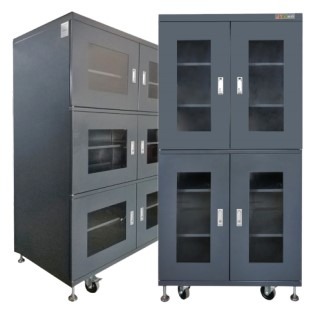
Electronic components are highly sensitive to environmental conditions, especially moisture. Even a small amount of humidity can affect the performance, reliability, and lifespan of electronic parts such as printed circuit boards (PCBs), semiconductors, sensors, and other precision components. For industries that handle sensitive electronics, proper storage is not just a matter of organization; it is an important step in preventing costly damage.
A dry cabinet for electronics is designed to provide a controlled, low-humidity environment where electronic components can be stored safely. These cabinets help protect parts from moisture absorption, oxidation, corrosion, and other humidity-related issues.
Companies involved in electronics manufacturing, repair, assembly, research, and testing rely on dry storage solutions to maintain component quality. With advanced moisture control technology, electronic dry cabinets provide a reliable storage environment that helps improve product quality and reduce material wastage.
What is a Dry Cabinet for Electronics?
A dry cabinet for electronics is a specialized storage cabinet that maintains a low-humidity environment to protect moisture-sensitive electronic components. Unlike regular storage cabinets, these cabinets actively control humidity levels inside the chamber.
Electronic components often absorb moisture when exposed to normal atmospheric conditions. During processes like soldering or reflow heating, trapped moisture inside components can expand rapidly and cause internal damage. This issue is commonly known as the “popcorn effect,” where moisture expansion leads to cracks or failures in electronic packages.
Dry cabinets help prevent this problem by maintaining controlled humidity levels, ensuring that components remain dry and ready for use.
These cabinets are commonly used for storing:
- Printed Circuit Boards (PCBs)
- Integrated Circuits (ICs)
- Surface Mount Devices (SMDs)
- Semiconductor components
- Sensors
- Camera modules
- Connectors
- Precision electronic parts
Why Moisture Protection is Important for ElectronicsYour Content Goes Here
Humidity is one of the biggest environmental challenges for electronic components. When electronic parts are exposed to moisture for long periods, several issues can occur.
Corrosion of Metal Components
Many electronic components contain metal contacts, connectors, and conductive surfaces. Moisture reacts with these materials and can cause oxidation or corrosion. Corroded contacts may result in poor electrical connections or complete component failure.
Reduced Component Reliability
Moisture exposure can impact the performance of sensitive electronic parts. Components stored in uncontrolled environments may fail during assembly or testing, leading to production delays and increased costs.
Risk During Soldering Processes
Moisture-sensitive devices absorb humidity from the surrounding air. When these components are heated during soldering, the moisture trapped inside can expand and damage internal structures.
This is why industries use dry cabinets to maintain proper storage conditions before components are assembled.
Longer Shelf Life
A controlled storage environment helps preserve the quality of electronic components for longer periods. This is especially important for expensive parts that may not be used immediately after purchase.
How Does an Electronic Dry Cabinet Work?
An electronic dry cabinet works by continuously reducing and maintaining low humidity levels inside the storage chamber.
The cabinet uses a moisture absorption or dehumidification system that removes humidity from the internal air. Sensors continuously monitor humidity levels and regulate the system to maintain the desired environment.
The main components of a dry cabinet include:
Humidity Control System
The humidity control mechanism removes moisture from the cabinet and maintains stable humidity conditions. Depending on the model, cabinets may use automatic dehumidification technology for precise control.
Humidity Display
Modern dry cabinets come with digital displays that allow users to monitor internal humidity levels easily. This helps operators confirm that components are stored under suitable conditions.
Sealed Storage Chamber
A properly sealed cabinet prevents external moisture from entering. The airtight design helps maintain consistent humidity levels even when the surrounding environment changes.
Adjustable Shelves
Dry cabinets are designed with flexible storage arrangements so users can organize different sizes and types of electronic components efficiently.
Applications of Dry Cabinets for Electronics
Dry cabinets are used across various industries where moisture-sensitive electronics are handled.
- Electronics Manufacturing Industry: Manufacturers use dry cabinets to store PCBs, semiconductor devices, and other components before assembly. Proper storage helps reduce defects during production and improves manufacturing efficiency.
- Semiconductor Industry: Semiconductor components require strict environmental control because they are highly sensitive to moisture. Dry storage helps maintain component quality during handling and transportation.
- PCB Assembly Units: PCB assembly companies use dry cabinets to protect boards and surface-mounted components before soldering processes. Maintaining low humidity reduces the risk of moisture-related failures.
- Research and Development Laboratories: Laboratories working with advanced electronics require reliable storage solutions for sensitive testing components, prototypes, and instruments.
- Repair and Service Centers: Electronic repair facilities store replacement parts and delicate components in dry cabinets to prevent degradation over time.
Benefits of Using a Dry Cabinet for Electronics
Investing in a dry cabinet provides several advantages for businesses handling sensitive electronic materials.
- Prevents Moisture Damage: The primary benefit of a dry cabinet is protection against moisture-related issues. By maintaining controlled humidity, these cabinets reduce the chances of corrosion, oxidation, and component failure.
- Improves Product Quality: Proper component storage ensures that electronics perform as expected during manufacturing and testing. This leads to better-quality finished products.
- Reduces Material Waste: Damaged electronic components increase production costs. Dry cabinets help minimize losses by keeping valuable components safe until they are required.
- Supports Industry Standards: Many electronics industries follow strict storage guidelines for moisture-sensitive devices. Dry cabinets help companies maintain suitable storage conditions in accordance with these requirements.
- Saves Long-Term Costs: Although dry cabinets require an initial investment, they help reduce expenses related to component replacement, production delays, and quality issues.
Types of Dry Cabinets for Electronics
Different industries have different storage requirements, which is why dry cabinets are available in multiple configurations.
- Standard Dry Cabinets: Standard dry cabinets are suitable for general electronic component storage where moderate humidity control is required.
- Ultra-Low Humidity Dry Cabinets: These cabinets maintain extremely low humidity levels and are commonly used for highly moisture-sensitive semiconductor components and advanced electronics.
- Automatic Dry Cabinets: Automatic dry cabinets use sensors and automated control systems to maintain consistent humidity without frequent manual adjustments.
- ESD Safe Dry Cabinets: Electrostatic discharge (ESD) can damage sensitive electronic parts. ESD-safe dry cabinets are designed to provide both moisture protection and static control.
How to Choose the Right Dry Cabinet for Electronics?
Selecting the right dry cabinet depends on several factors.
- Consider Humidity Requirements: Different components require different humidity levels. Check the storage requirements of your electronic parts before selecting a cabinet.
- Storage Capacity: Choose a cabinet size based on the quantity and type of components you need to store. A properly sized cabinet ensures efficient use of space.
- Humidity Monitoring Features: Digital humidity monitoring and alarms make it easier to maintain proper storage conditions.
- Build Quality: A durable cabinet with proper sealing and reliable humidity control ensures long-term performance.
- Energy Efficiency: Energy-efficient models help reduce operating costs while maintaining effective moisture control.
Why Choose Sumitron for Electronic Storage Solutions?
Sumitron provides solutions designed for industries that require reliable handling and storage of sensitive electronic components.
With experience in electronics manufacturing and industrial solutions, Sumitron focuses on delivering products that support quality control, productivity, and component protection.
A suitable dry storage solution helps businesses maintain component reliability while reducing the risks associated with moisture exposure.
For organizations working with PCBs, semiconductors, and precision electronics, having proper storage equipment is an important part of maintaining operational efficiency.
Best Practices for Using a Dry Cabinet
To get the best performance from a dry cabinet, follow these practices:
- Keep the cabinet door closed when not loading or unloading components.
- Regularly check humidity readings.
- Avoid unnecessary opening and closing of the cabinet.
- Arrange components properly for better airflow.
- Follow recommended storage guidelines provided by component manufacturers.
- Perform periodic maintenance checks.
Future Importance of Dry Storage in Electronics
As electronic devices become smaller and more advanced, component sensitivity continues to increase. Modern electronics require better environmental control during storage and handling.
Industries such as automotive electronics, medical devices, consumer electronics, and aerospace systems depend on high-quality components that must remain reliable throughout their lifecycle.
A dry cabinet for electronics is becoming an essential tool for companies that want to maintain quality standards and reduce component-related failures.
Frequently Asked Questions (FAQs)
Q1. What is a dry cabinet for electronics used for?
Ans. A dry cabinet for electronics is used to store moisture-sensitive components such as PCBs, ICs, semiconductors, and electronic parts in a controlled low-humidity environment.
Q2. Why do electronic components need dry storage?
Ans. Electronic components can absorb moisture from the atmosphere, which may cause corrosion, reduced performance, or damage during soldering processes. Dry storage helps prevent these issues.
Q3. What humidity level is maintained inside a dry cabinet?
Ans. The humidity level depends on the type of dry cabinet and component requirements. Some cabinets maintain standard low humidity, while advanced models provide ultra-low humidity conditions.
Q4. Can a dry cabinet prevent PCB damage?
Ans. Yes, dry cabinets help protect PCBs from moisture absorption, oxidation, and other humidity-related problems that can affect their performance.
Q5. Which industries use electronic dry cabinets?
Ans. Electronics manufacturing, semiconductor production, PCB assembly, automotive electronics, research laboratories, and repair facilities commonly use dry cabinets.
Q6. How is a dry cabinet different from a normal storage cabinet?
Ans. A normal cabinet only provides physical storage, while a dry cabinet actively controls humidity levels to protect moisture-sensitive electronic components.
Q7. How often should a dry cabinet be maintained?
Ans. Maintenance frequency depends on usage and manufacturer recommendations. Regular inspection of humidity control systems and seals helps ensure proper performance.
Q8. Are dry cabinets suitable for long-term electronic component storage?
Ans. Yes, dry cabinets are ideal for long-term storage because they help maintain component quality and reduce moisture-related degradation.
Q9. What factors should be considered before buying a dry cabinet?
Ans. Important factors include humidity range, storage capacity, component sensitivity, monitoring features, build quality, and energy efficiency.
Q10. How does Sumitron help industries with electronic storage solutions?
Ans. Sumitron provides industrial solutions that support safe handling and storage of sensitive electronic components, helping businesses maintain quality and reliability.
Conclusion
A dry cabinet for electronics is an essential investment for industries that handle moisture-sensitive electronic components. By maintaining controlled humidity levels, it protects PCBs, semiconductors, sensors, and other precision parts from corrosion, oxidation, and moisture-related failures. Whether you work in electronics manufacturing, PCB assembly, research, or repair, choosing the right dry storage solution improves product quality, reduces material waste, and supports long-term reliability. Investing in a high-quality dry cabinet ensures your valuable electronic components remain protected and ready for use whenever needed.
Read Also This Blog