
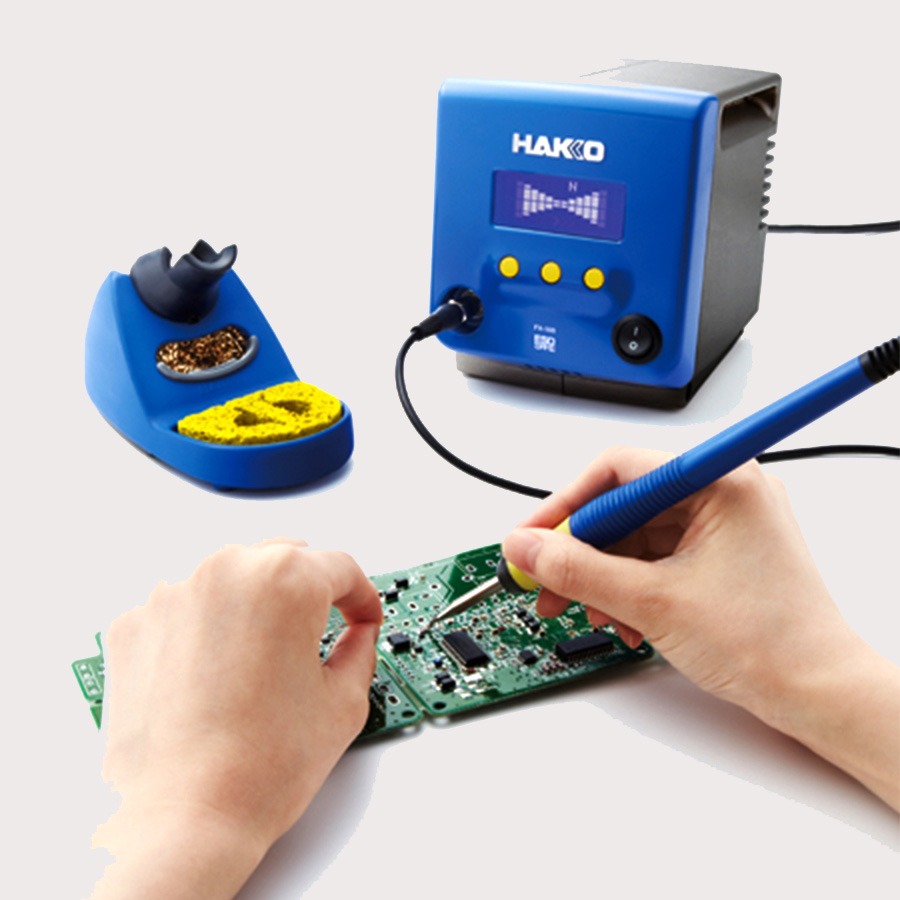
In modern electronics manufacturing, precision is everything. Whether you are assembling multilayer PCBs, manufacturing automotive electronics, producing medical devices, or handling aerospace-grade components, the quality of your solder joints directly impacts the reliability of your final product.
One of the most critical tools behind every successful PCB assembly process is a high-quality soldering station.
At Sumitron, we have spent decades working closely with India’s leading electronics manufacturers, EMS companies, R&D laboratories, and industrial production facilities. Through our experience, we understand that choosing the best soldering station is not simply about purchasing a tool—it’s about investing in manufacturing quality, process consistency, and long-term operational efficiency.
In this comprehensive guide, we’ll explain everything you need to know about selecting the best soldering station for electronics manufacturing and why industry leaders trust premium solutions over conventional soldering irons.
What is a Soldering Station?
A soldering station is a temperature-controlled electronic device designed for joining electronic components onto printed circuit boards (PCBs). Unlike ordinary soldering irons, modern soldering stations offer:
- Precise temperature control
- Rapid thermal recovery
- ESD-safe operation
- Replaceable soldering tips
- Enhanced operator safety
- Consistent solder joint quality
In high-volume electronics manufacturing, these features become essential because even minor temperature fluctuations can damage sensitive components or create defective solder joints.
Why Choosing the Right Soldering Station Matters
Many manufacturers underestimate the importance of investing in a professional soldering system. However, poor soldering equipment often leads to:
- Inconsistent Solder Joints: Temperature instability creates weak electrical connections, cold solder joints, and unreliable assemblies.
- Component Damage: Modern SMT components are highly sensitive to excessive heat. A poorly controlled soldering iron can permanently damage expensive ICs and microprocessors.
- Reduced Productivity: Slow heat recovery forces operators to wait between solder joints, reducing overall production efficiency.
- Higher Maintenance Costs: Low-quality soldering stations consume tips faster and require frequent replacements, increasing operating expenses.
Features That Define the Best Soldering Station for Electronics Manufacturing
Accurate Temperature Control
Stable temperature control ensures every solder joint receives the exact amount of heat required without overheating the PCB.
For lead-free soldering applications, this becomes even more critical due to higher melting temperatures.
Fast Thermal Recovery
Thermal recovery refers to how quickly the soldering tip regains its temperature after transferring heat to a component.
Premium induction heating technologies maintain constant heat during continuous production, improving throughput and reducing defects.
ESD Protection
Electrostatic discharge can instantly destroy delicate semiconductor devices.
An ESD-safe soldering station protects:
- Microcontrollers
- Memory chips
- Sensors
- Medical electronics
- Aerospace PCBs
This is why ESD compliance is a standard requirement in professional manufacturing environments.
Ergonomic Design
Production operators often work for several hours continuously.
A lightweight, ergonomic soldering handle helps reduce fatigue while improving soldering accuracy and operator comfort.
Tip Variety and Compatibility
Different PCB applications require different soldering tip geometries.
A professional soldering station should support:
- Conical tips
- Chisel tips
- Knife tips
- Fine-point SMD tips
- Heavy-duty thermal mass tips
Versatile tip options allow manufacturers to handle multiple product categories using the same platform.
Types of Soldering Stations Used in Electronics Manufacturing
Digital Soldering Stations
Digital models offer precise temperature adjustment through LCD displays and programmable settings.
Best for:
- PCB assembly
- Electronics repair labs
- EMS companies
- SMT production
Induction Heating Soldering Stations
Induction heating technology delivers superior thermal recovery compared to conventional ceramic heaters.
Advantages include:
- No calibration requirements
- Faster heating
- Improved temperature stability
- Better performance on high thermal mass components
Nitrogen-Assisted Soldering Systems
Nitrogen soldering reduces oxidation during the soldering process, producing cleaner and stronger joints.
These systems are ideal for:
- Lead-free soldering
- High-density PCBs
- Automotive electronics
- Aerospace manufacturing
Which Industries Need Professional Soldering Stations?
- Consumer Electronics: Smartphones, laptops, wearables, and home appliances all require highly reliable solder joints for long-term performance.
- Automotive Electronics: Modern vehicles contain hundreds of electronic modules, sensors, and control units that demand precision assembly. Professional soldering stations help manufacturers maintain quality standards while ensuring durability under extreme operating conditions.
- Medical Device Manufacturing: Medical electronics cannot tolerate manufacturing defects. Pacemakers, diagnostic equipment, imaging systems, and surgical instruments require flawless soldering to ensure patient safety.
- Aerospace and Defense: Aircraft and defense electronics operate under severe vibration and temperature conditions. Reliable solder joints are critical for mission success and long-term operational stability.
- Industrial Automation: Factories increasingly depend on automation systems, PLCs, robotics, and IoT devices. Professional soldering equipment ensures uninterrupted operation and reduced maintenance failures.
Common Challenges in Electronics Manufacturing That the Right Soldering Station Solves
- Cold Solder Joints: Maintaining stable tip temperature eliminates incomplete solder flow.
- Lifted PCB Pads: Accurate heat control prevents damage to copper traces.
- Excessive Oxidation: Nitrogen-assisted soldering systems significantly reduce oxidation.
- Poor Throughput: Fast recovery technology enables continuous production without delays.
- Frequent Tip Replacement: Premium stations extend tip life through intelligent power management and sleep functions.
Why Lead-Free Soldering Demands Better Equipment
With global environmental regulations moving toward lead-free manufacturing, electronics manufacturers require soldering stations capable of handling higher operating temperatures.
Lead-free solder typically melts at temperatures around 217°C, compared to traditional lead-based alloys.
Without excellent thermal recovery and precise control, manufacturers risk:
- Incomplete solder joints
- PCB damage
- Increased rework
- Reduced product reliability
Professional soldering stations are specifically engineered to overcome these challenges.
What Makes HAKKO Soldering Stations an Industry Benchmark?
At Sumitron, we work with globally recognized soldering technologies trusted by manufacturers worldwide.
Some standout advantages include:
Induction Heating Technology
Advanced induction heating provides exceptional thermal recovery and stable operation.
Intelligent LCD Monitoring
Modern stations display:
- Tip usage history
- Temperature status
- Tip wear condition
- Operational information
No Calibration Requirement
Simplified maintenance reduces downtime and improves productivity.
Energy Saving Features
Sleep mode and automatic power-off functions increase tip life while reducing electricity consumption.
How to Choose the Best Soldering Station for Your Manufacturing Setup
- Small Electronics Labs: Choose a digital temperature-controlled station with multiple tip options.
- EMS Companies: Look for high-speed thermal recovery and ESD-safe operation.
- Automotive Manufacturing: Select heavy-duty stations capable of handling multilayer PCBs and high thermal mass applications.
- Aerospace & Medical Electronics: Consider induction heating and nitrogen-assisted soldering systems for maximum reliability.
Key Factors to Consider Before Buying a Soldering Station
Selecting the best soldering station for electronics manufacturing involves much more than comparing product specifications. Every production environment has unique requirements, and choosing the right equipment can significantly improve quality, efficiency, and operational costs.
Production Volume
A repair workstation and a high-volume SMT production line require completely different soldering solutions. For continuous manufacturing environments, investing in a station with rapid thermal recovery and intelligent power management ensures uninterrupted operation and consistent solder quality.
Component Size and PCB Complexity
Modern electronics are becoming increasingly compact, with fine-pitch ICs, micro-components, and multilayer PCBs. Manufacturers working with these assemblies should choose soldering stations that support a wide range of precision tips and stable temperature control to avoid damaging sensitive components.
Lead-Free Manufacturing Compatibility
As industries worldwide adopt RoHS-compliant manufacturing practices, lead-free soldering has become the standard. Since lead-free alloys require higher processing temperatures, manufacturers should ensure their soldering station is specifically designed to maintain stable heat output without affecting component integrity.
Maintenance and Operating Costs
The initial purchase price is only one part of the overall investment. Factors such as soldering tip life, energy efficiency, spare parts availability, and ease of maintenance directly influence the total cost of ownership. High-quality industrial soldering stations often provide substantial long-term savings by reducing downtime and consumable replacement costs.
Technical Support and After-Sales Service
Reliable after-sales support is often overlooked but becomes critical in industrial manufacturing. Equipment downtime can impact production schedules and customer deliveries. At Sumitron, we understand that our customers need more than just products—they need dependable technical guidance, application expertise, and responsive service support to keep their operations running smoothly.
By carefully evaluating these factors, manufacturers can select a soldering station that not only meets today’s production needs but also supports future growth and evolving manufacturing technologies.
Why Manufacturers Across India Trust Sumitron
At Sumitron, we believe industrial equipment should deliver more than specifications.
Our approach focuses on complete manufacturing support.
Authentic Global Brands
We provide internationally trusted soldering technologies designed for professional electronics manufacturing.
Application Engineering Support
Our experienced engineers help customers identify the right solution for their production environment.
Diverse Electronics Manufacturing Solutions
Beyond soldering stations, we support manufacturers with:
- SMT Process Equipment
- Automatic Soldering Solutions
- Optical Inspection Systems
- ESD Protection Products
- PCB Chemicals
- Maintenance and Repair Equipment
- Cleanroom Solutions
Decades of Industry Experience
Since 1986, Sumitron has been serving India’s electronics, automotive, telecom, pharmaceutical, and industrial sectors with quality-driven solutions.
Final Thoughts
The best soldering station for electronics manufacturing is one that delivers consistent temperature control, fast thermal recovery, ESD safety, ergonomic operation, and long-term reliability.
In today’s competitive manufacturing environment, investing in professional soldering equipment directly impacts product quality, production efficiency, and customer satisfaction.
Whether you are operating an EMS facility, PCB assembly line, R&D laboratory, or industrial manufacturing plant, selecting the right soldering station is a strategic decision that pays dividends for years.
At Sumitron, we help manufacturers move beyond ordinary tools by providing world-class soldering solutions backed by technical expertise and application support.
If you’re looking for the best soldering station for electronics manufacturing, our team is ready to help you identify the ideal solution for your production requirements.
Read Also This Blog