
Electronic devices are expected to work reliably in different conditions, whether they are used in homes, factories, vehicles or outdoor environments. However, the printed circuit boards (PCBs) inside these devices are exposed to several factors that can affect their performance. Moisture, dust, chemicals, temperature changes and other contaminants can damage electronic components and cause circuit failures over time.
This is where conformal coating for PCB protection becomes important. It is a protective layer applied to the surface of a printed circuit board to reduce the risk of damage caused by environmental exposure. The coating follows the shape of the board and its components, covering areas that may otherwise remain exposed.
For electronics manufacturers, PCB assemblers and equipment manufacturers, conformal coating is an important part of maintaining product reliability. The right coating can help protect sensitive circuits, reduce maintenance requirements and support consistent performance throughout the product’s service life.
What Is Conformal Coating for PCB Protection?
Conformal coating is a thin protective film applied to a printed circuit board and its electronic components. Unlike a thick protective covering, it follows the contours of the PCB, including the surfaces of components, solder joints and connections.
The main purpose of this coating is to create a barrier between the electronic circuit and its surrounding environment. It helps reduce the chances of moisture reaching conductive areas, dust collecting around sensitive components and contaminants affecting electrical performance.
Conformal coatings are generally available in different chemical formulations, such as acrylic, polyurethane, silicone and epoxy. Each type has different properties, making it suitable for specific operating conditions.
These coatings are commonly used in electronics manufacturing, automotive electronics, industrial control systems, communication equipment, medical devices and other applications where circuit protection is important.
Why Do PCBs Need Conformal Coating?
A printed circuit board contains several closely arranged components, copper tracks, solder joints and electrical connections. Although these components are designed to perform specific functions, they can be affected by their surrounding environment.
Some of the common problems that make PCB protection necessary include:
Moisture and Humidity
Moisture is one of the major concerns for electronic circuits. When water or humidity reaches exposed conductive surfaces, it can contribute to corrosion, leakage currents and electrical failures. A suitable conformal coating helps limit direct exposure to moisture.
Dust and Other Contaminants
Dust, dirt and airborne particles can collect on circuit boards, especially in industrial environments. Certain contaminants can attract moisture or create unwanted conductive paths between components. A protective coating helps reduce their contact with sensitive circuit areas.
Chemical Exposure
PCBs used in manufacturing plants, automotive systems and industrial equipment may come into contact with oils, cleaning agents, chemical vapours and other substances. Depending on its formulation, a conformal coating can provide resistance against selected chemicals.
Temperature Changes
Electronic equipment may experience repeated heating and cooling during operation. These temperature changes can place stress on circuit components and protective materials. Coatings designed for wider temperature ranges can help maintain protection under such conditions.
Corrosion and Electrical Problems
When moisture and contaminants interact with exposed metal surfaces, corrosion can develop. This may affect solder joints and electrical connections. A suitable coating helps reduce exposure and lowers the risk of corrosion-related problems.
Different Types of Conformal Coating for PCBs
Choosing the right conformal coating depends on the working environment, temperature requirements, chemical exposure, repair needs and application method. The most commonly used types include the following.
Acrylic Conformal Coating
Acrylic conformal coatings are widely used because they are easy to apply, dry quickly and can be removed using suitable solvents. They offer good moisture resistance and electrical insulation properties.
Another advantage is their clarity, which makes visual inspection easier. Some acrylic coatings also contain UV trace additives, allowing manufacturers to check coating coverage under ultraviolet light.
Common applications:
- Consumer electronic products.
- General-purpose electronic circuit boards.
- LED lighting systems.
- Industrial control equipment.
Polyurethane Conformal Coating
Polyurethane coatings are known for their resistance to chemicals, solvents and moisture. They are suitable for electronic assemblies that operate in demanding environments where additional protection is required.
They also provide good mechanical protection and can maintain flexibility under certain temperature conditions. However, removal and repair may require specialised chemicals or processes.
Common applications:
- Automotive electronics.
- Industrial control systems.
- Outdoor electronic equipment.
- Equipment exposed to selected chemicals.
Silicone Conformal Coating
Silicone coatings are commonly selected for applications involving high temperatures or frequent temperature variations. Their flexible nature allows them to accommodate movement and thermal expansion without becoming excessively rigid.
They also provide good moisture protection and electrical insulation. However, their compatibility with specific materials and sensitivity to certain contaminants should be checked before application.
Common applications:
- Automotive electronic assemblies.
- Power electronics.
- Industrial equipment.
- Electronics exposed to temperature fluctuations.
Epoxy Conformal Coating
Epoxy coatings form a hard and durable protective layer. They offer strong adhesion and good resistance to moisture, chemicals and mechanical damage.
Their hardness makes them suitable for applications where physical protection is important. However, epoxy coatings can be difficult to remove, which may create challenges during repair and rework.
Common applications:
- Industrial electronics.
- Equipment exposed to harsh conditions.
- Electronic assemblies require a hard protective layer.
Hybrid and Specialised Coatings
Some conformal coatings use modified or hybrid chemical formulations to combine properties from different coating technologies. These products are developed to meet specific requirements, such as improved temperature performance, chemical resistance, flexibility or environmental considerations.
The selection should always be based on the manufacturer’s technical data sheet and the actual operating conditions of the PCB.
Key Benefits of Conformal Coating for PCB Protection
Using the right PCB conformal coating can provide several advantages during the operation and maintenance of electronic equipment.
- Protection Against Moisture: The coating acts as a barrier between sensitive circuit areas and environmental moisture. This is particularly useful for PCBs used in humid conditions or applications where condensation may occur.
- Reduced Risk of Corrosion: By limiting exposure to moisture and certain contaminants, conformal coatings help reduce the chances of corrosion on conductive surfaces, solder joints and electrical connections.
- Improved Electrical Insulation: A conformal coating with suitable dielectric properties helps prevent unwanted electrical leakage between closely spaced conductors. This is especially relevant in compact electronic assemblies.
- Better Resistance to Environmental Contaminants: Dust, dirt, chemicals and other airborne contaminants can affect circuit performance. Depending on the coating formulation, a protective film can help minimise their impact.
- Support for Longer Equipment Life: When electronic circuits are protected from common environmental stresses, the risk of certain premature failures can be reduced. This can help manufacturers improve equipment reliability and manage maintenance requirements.
- Protection of Compact Electronic Assemblies: Modern electronic products often contain closely placed components and narrow circuit tracks. Conformal coatings can cover these areas without adding the bulk associated with some other protective methods.
How Is Conformal Coating Applied to a PCB?
The performance of a conformal coating depends not only on its chemical formulation but also on how it is applied. Poor surface preparation, uneven coverage or incorrect curing can affect the final result.
The general application process involves the following steps:
Step 1: PCB Cleaning
Before coating, the PCB should be free from dust, oil, flux residues, fingerprints and other contaminants. Proper cleaning helps the coating adhere to the board surface.
Step 2: Drying the Circuit Board
After cleaning, the PCB must be dried properly. Any trapped moisture can affect coating adhesion and the final protective layer.
Step 3: Masking Sensitive Areas
Certain components and connections may need to remain uncoated. These can include connectors, switches, test points, sockets and other areas where coating may interfere with operation or future maintenance.
Step 4: Applying the Coating
Depending on the product and production requirements, conformal coating can be applied through different methods:
- Spraying: Suitable for covering larger areas and complex PCB assemblies.
- Brushing: Useful for small boards, localised repairs and touch-up applications.
- Dipping: The PCB is immersed in the coating material to achieve coverage across accessible surfaces.
- Selective coating: Automated equipment applies coating only to specified areas of the board.
Step 5: Drying and Curing
After application, the coating must dry or cure according to the manufacturer’s instructions. Some products dry at room temperature, while others may require heat curing or specific curing conditions.
Step 6: Inspection and Quality Checking
The finished coating should be checked for coverage, thickness, bubbles, pinholes and other defects. UV inspection can also be used when the selected coating contains a suitable fluorescent tracer.
Following the recommended application procedure helps achieve consistent coating quality.
Where Are PCB Conformal Coatings Used?
Conformal coatings are used across several industries where electronic components need protection from environmental exposure.
- Automotive Industry: Vehicle electronics operate under changing temperatures, vibration, humidity and exposure to contaminants. Conformal coatings are used to protect electronic control units, sensors and other circuit assemblies.
- Aerospace and Defence: Electronic systems used in aerospace and defence applications may operate under demanding environmental conditions. Specialised coatings are selected to meet specific temperature, moisture, chemical and performance requirements.
- Industrial Manufacturing: Control panels, automation systems, monitoring devices and industrial machines often operate in environments containing dust, moisture and chemical contaminants. PCB coatings help protect their electronic assemblies.
- Consumer Electronics: Household appliances, LED lighting systems, communication devices and other electronic products may use conformal coatings to improve circuit protection and reliability.
- Medical Equipment: Medical electronic devices require dependable circuit performance. Depending on the device design and applicable requirements, conformal coatings can help protect sensitive electronic assemblies.
How to Choose the Right Conformal Coating for Your PCB
Not every conformal coating provides the same level of protection. Selecting a product without considering the operating environment can lead to poor performance or unnecessary application costs.
Before choosing a coating, consider the following factors:
- Operating environment: Identify whether the PCB will be exposed to humidity, dust, chemicals, salt or other contaminants.
- Temperature requirements: Check the expected operating and storage temperatures and select a coating that supports the required range.
- Electrical properties: Review dielectric strength, insulation resistance and other electrical specifications relevant to the application.
- Chemical resistance: If the equipment is exposed to oils, solvents or cleaning chemicals, check the coating’s compatibility with those substances.
- Application method: Consider whether the coating will be applied through spraying, brushing, dipping or selective coating equipment.
- Repair and rework: If future servicing is expected, consider how easily the coating can be removed or repaired.
- Standards and approvals: Check the applicable industry requirements and product certifications. Do not assume that all coatings meet the same standards.
Reviewing the technical data sheet and testing the coating on a representative PCB assembly can help manufacturers make a more suitable choice.
Conformal Coating Solutions Available at Sumitron
Selecting a suitable conformal coating is an important part of PCB manufacturing and protection. Sumitron offers conformal coating solutions from Electrolube for different electronic protection requirements.
Some of the available options include:
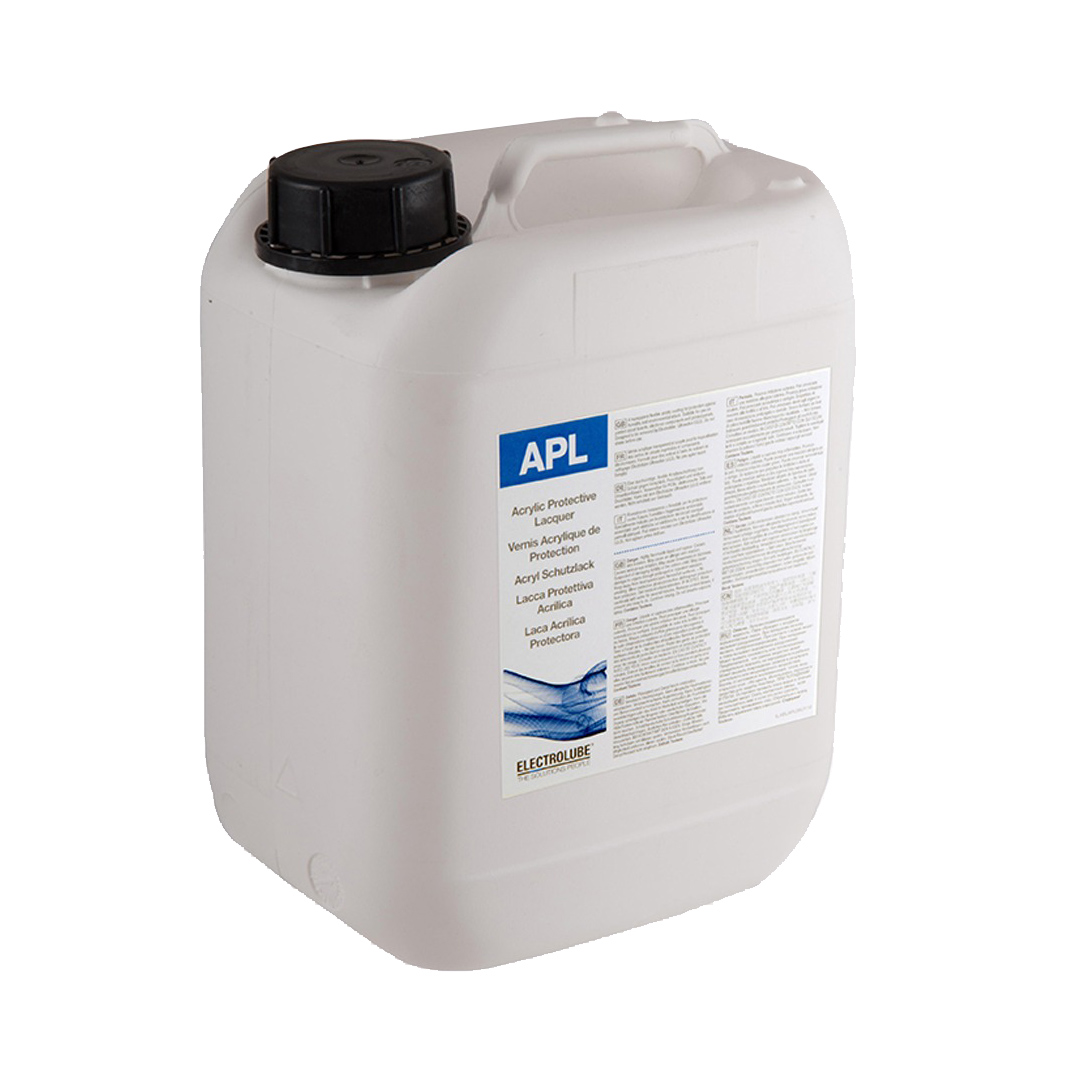
- Electrolube APL Conformal Coating: An acrylic-based protective lacquer known for fast drying, good adhesion, clarity and dielectric properties. It is suitable for applications where inspection and efficient application are important.
- Electrolube DCA/DCR Conformal Coating: Modified alkyd-based coatings designed for demanding applications. DCA offers flexibility and chemical resistance, while DCR provides an opaque red finish for applications where PCB design concealment is required.
- Electrolube HPA Conformal Coating: A high-performance acrylic coating developed for demanding environments, including defence and aerospace applications. It offers moisture resistance, dielectric properties and UV-assisted inspection.
The right product depends on the PCB design, operating conditions and required level of protection. Manufacturers should review product specifications before making a selection.
Sumitron provides PCB chemical and thermal management solutions to support electronics manufacturing and maintenance requirements.
Frequently Asked Questions
Q1. What is conformal coating in PCB manufacturing?
Ans. Conformal coating is a thin protective film applied to a printed circuit board to protect its components and connections from moisture, dust, chemicals and other environmental contaminants.
Q2. Why is conformal coating important for PCB protection?
Ans. It helps reduce corrosion, electrical leakage and damage caused by environmental exposure. It also supports the reliability and service life of electronic assemblies.
Q3. What are the main types of conformal coating?
Ans. The main types include acrylic, polyurethane, silicone and epoxy coatings. Hybrid formulations are also available for applications requiring specific protective properties.
Q4. Which conformal coating is best for moisture protection?
Ans. Acrylic, polyurethane and silicone coatings can provide moisture protection. The best choice depends on the level of humidity, operating temperature and other environmental conditions.
Q5. How thick should a PCB conformal coating be?
Ans. Coating thickness depends on the material and application requirements. Many conventional conformal coatings are applied in relatively thin films, often within approximately 25–75 microns, but the manufacturer’s technical data sheet should always be followed.
Q6. Can conformal coating be removed from a PCB?
Ans. Yes, certain conformal coatings can be removed using compatible solvents or specialised removal products. However, the removal method depends on the coating chemistry and should be selected carefully to avoid damaging PCB components.
Q7. What are the common methods of applying conformal coating?
Ans. Conformal coating can be applied through spraying, brushing, dipping and selective coating. The method depends on PCB design, production volume and the coating material.
Q8. Does conformal coating improve electrical insulation?
Ans. Yes. Conformal coatings with suitable dielectric properties help reduce unwanted electrical leakage between conductive areas and provide an additional layer of electrical insulation.
Q9. Is conformal coating suitable for automotive and industrial electronics?
Ans. Yes. Different conformal coating formulations are used in automotive and industrial electronics to protect circuit assemblies from moisture, temperature changes, dust and selected chemicals.
Q10. Where can I find conformal coating solutions for PCB protection in India?
Ans. Sumitron offers Electrolube conformal coating solutions, including APL, DCA/DCR and HPA, for different PCB protection requirements. Product selection should be based on the application and technical specifications.
Conclusion
Conformal coating plays an important role in protecting printed circuit boards from moisture, dust, chemicals and other environmental factors. It helps reduce the risk of corrosion, electrical leakage and damage to sensitive electronic components.
However, choosing the right coating is just as important as applying it correctly. Acrylic, polyurethane, silicone and epoxy coatings each offer different properties, and the final selection should depend on the PCB’s working environment, temperature requirements, repair needs and applicable standards.
For manufacturers looking to improve the protection and reliability of electronic assemblies, investing in a suitable conformal coating solution can be a practical step towards maintaining consistent product performance.
Read Also This Blog


[…] Conformal Coating for PCB Protection: Types, Benefits and Applications […]