
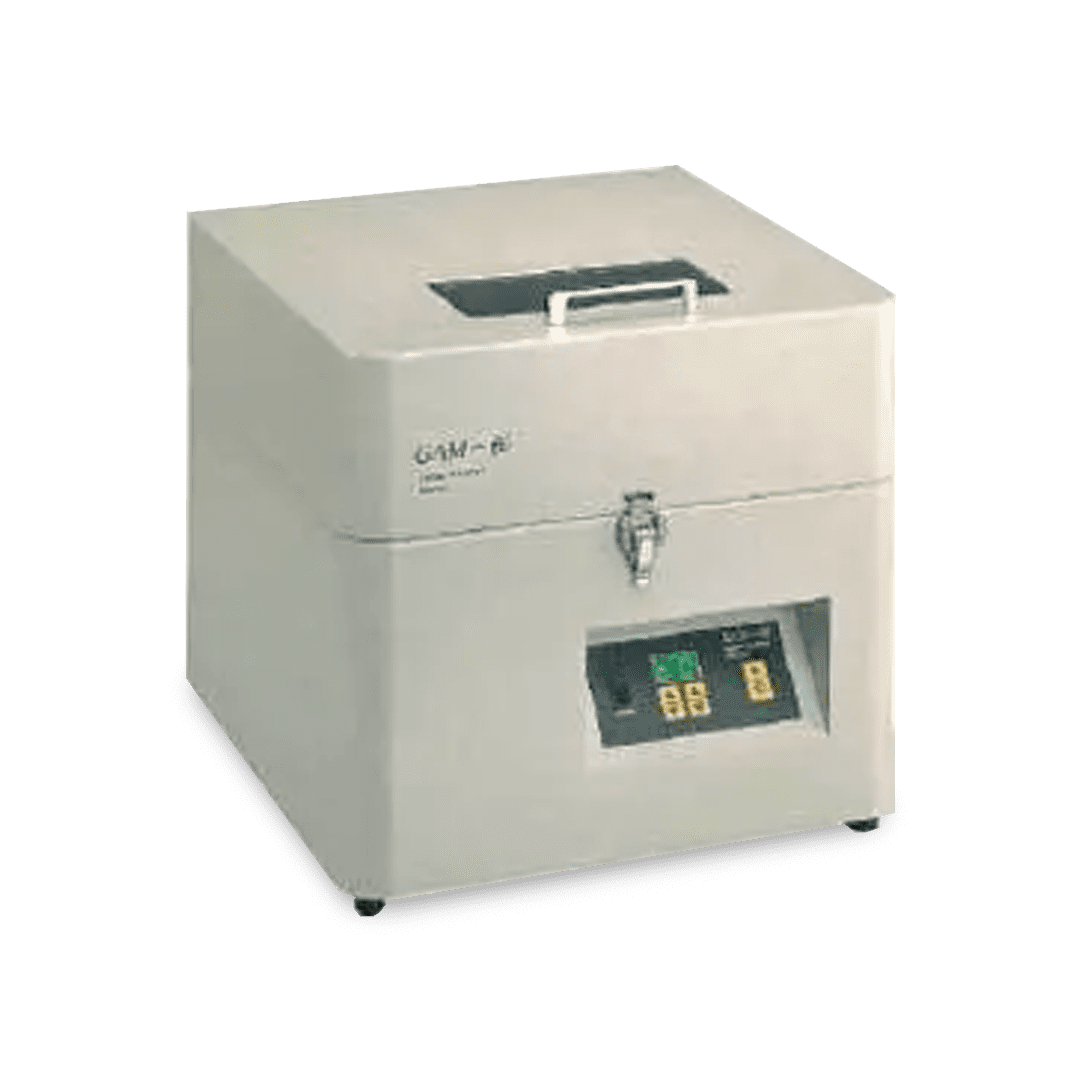
In electronics manufacturing, even a small issue during the PCB assembly process can affect the quality and reliability of the final product. One important factor is the condition of solder paste before it is applied to a printed circuit board. If the paste is not mixed properly, it can affect printing consistency, solder joint formation and the overall assembly process.
This is where a Solder Paste Mixing Machine becomes useful. It helps prepare solder paste by mixing the solder powder and flux evenly, bringing the material to a suitable working consistency before application. Unlike manual mixing, a dedicated machine provides controlled and repeatable mixing, making it easier for manufacturers to maintain consistency during production.
For electronics manufacturers working with Surface Mount Technology (SMT), using the right solder paste mixer can help reduce material preparation time and maintain a more controlled assembly process.
Let’s understand how a solder paste mixing machine works, why it is important, its applications and what to consider before purchasing one.
What Is a Solder Paste Mixing Machine?
A solder paste mixing machine is specialised equipment used to mix solder paste before it is applied to printed circuit boards (PCBs). Solder paste is a thick mixture made from fine solder alloy particles and flux. It is commonly used in SMT assembly to create electrical and mechanical connections between electronic components and PCB pads.
During storage, solder paste may separate slightly, and its consistency can change due to temperature conditions. It is generally stored under controlled conditions and may become too cold for immediate use after refrigeration.
A solder paste mixer helps bring the material to a more uniform consistency before it enters the printing process. It uses a controlled rotational mixing mechanism to combine the solder powder and flux without requiring the operator to manually stir the paste.
These machines are commonly used in PCB assembly units, electronics manufacturing facilities and production environments where consistent solder paste preparation is important.
Why Is Solder Paste Mixing Important in SMT Assembly?
Solder paste plays a major role in the Surface Mount Technology process. It is applied to specific areas of a PCB through a stencil, after which electronic components are placed on the board and passed through a reflow oven.
For this process to work properly, solder paste must have suitable viscosity and consistent material distribution.
Here are some reasons why proper mixing matters:
- Consistent Paste Composition: Solder paste contains solder alloy particles suspended in flux. Proper mixing helps distribute these materials evenly, supporting consistent paste behaviour during printing.
- Better Stencil Printing: The quality of solder paste directly affects how it moves through the stencil openings and deposits onto PCB pads. Inconsistent paste can make it difficult to achieve uniform deposits.
- Reduced Risk of Air Entrapment: Mixing methods that introduce excessive air can create problems during solder paste application and reflow. A suitable solder paste mixer uses controlled rotation and revolution to mix the material while limiting unnecessary air entrapment.
- Improved Production Consistency: When solder paste is prepared using a controlled process, operators can follow repeatable mixing settings. This makes material preparation more consistent across production batches.
- Less Manual Handling: Manual mixing requires operator involvement and may produce different results depending on the person and method used. A dedicated machine makes the preparation process easier to control.
How Does a Solder Paste Mixing Machine Work?
Most automatic solder paste mixing machines use a rotation and revolution mechanism. Instead of simply stirring the material with a blade, the machine rotates and revolves the sealed solder paste container along a controlled path.
The mixing process generally involves the following steps:
Step 1: Loading the Solder Paste Container
The operator places the solder paste container inside the machine’s holder or fixture. The container is secured properly to ensure stable operation.
Step 2: Setting the Mixing Time
The required mixing time is selected using the machine’s control panel. The setting depends on the solder paste manufacturer’s instructions, material condition and machine specifications.
Step 3: Rotation and Revolution
Once started, the machine rotates and revolves the container. This movement helps combine the solder powder and flux to achieve a more uniform consistency.
Step 4: Controlled Mixing
The machine continues operating for the selected duration. Certain models offer programmable settings and digital displays, allowing operators to manage the process more accurately.
Step 5: Removing the Container
After the mixing cycle is complete, the machine stops automatically or indicates completion through an alarm. The operator can then remove the container and prepare the solder paste for use according to the manufacturer’s handling instructions.
The key advantage of this process is that the solder paste can be mixed inside its container, reducing direct handling and making material preparation more convenient.
Key Features of an Automatic Solder Paste Mixing Machine
Not all solder paste mixers offer the same capabilities. Their features can vary depending on the model, capacity and intended production requirements.
Before choosing a machine, it is useful to understand the features that matter most.
- Rotation and Revolution Technology: This mechanism helps mix solder paste evenly by moving the container in two different directions. It is an important feature in machines designed to achieve consistent mixing without unnecessary air entrapment.
- Adjustable Mixing Time: Different solder pastes may require different mixing durations. A machine with adjustable time settings gives operators better control over the preparation process.
- Universal Container Holders: A universal fixture can accommodate different commercially available solder paste containers, depending on the supported dimensions and capacity.
- Digital Display and Controls: A digital LED display or touch control panel makes it easier to set mixing time and monitor the operation.
- Automatic Stop and Alarm: An automatic stopping function and completion buzzer help operators identify when the mixing cycle has finished.
- Safety Mechanism: A secure enclosure and suitable safety controls help protect operators during machine operation. Features vary by model, so buyers should check the manufacturer’s specifications.
- Low Maintenance: Machines with fewer lubrication requirements and a simple operating mechanism can reduce routine maintenance work.
Applications of a Solder Paste Mixing Machine
A solder paste mixing machine is mainly used in industries where electronic components are assembled on printed circuit boards.
Some common applications include:
- PCB Assembly: PCB assembly units use solder paste mixers to prepare material before stencil printing. Consistent preparation helps maintain the quality of solder paste deposits.
- SMT Production Lines: In SMT manufacturing, solder paste is used to attach surface-mounted components to PCB pads. A mixer helps prepare the paste before it enters the printing stage.
- Consumer Electronics Manufacturing: Products such as smartphones, televisions, computers, chargers and other electronic devices contain PCBs that require reliable solder connections.
- Automotive Electronics: Automotive electronic systems use circuit boards in control units, sensors, infotainment systems and other applications. Proper solder paste preparation supports the assembly process.
- Industrial Electronics: Manufacturers producing automation equipment, control panels, power supplies and electronic instruments also use solder paste in PCB assembly.
- Research and Development Facilities: Electronics laboratories and R&D centres often work with different PCB designs and soldering materials. A controlled mixing machine helps prepare solder paste for testing and prototype assembly.
Solder Paste Mixing Machine vs Manual Mixing
Manual mixing may appear convenient for small-scale operations, but it can create challenges when consistency and repeatability are important.
| Comparison | Manual Mixing | Solder Paste Mixing Machine |
| Mixing method | Hand-operated | Controlled mechanical mixing |
| Consistency | Depends on operator | More repeatable |
| Time control | Difficult to standardise | Adjustable timer in supported models |
| Material handling | Requires direct handling | Can mix inside the container |
| Air entrapment | Depends on technique | Designed to limit unnecessary air entrapment |
| Production use | Suitable for limited requirements when permitted | Better suited to regular, controlled preparation |
A machine does not remove the need for correct solder paste storage and handling. However, it makes the mixing stage more controlled and reduces dependence on manual effort.
How to Choose the Right Solder Paste Mixing Machine?
Selecting the right machine depends on your production requirements, the type of solder paste you use and the number of containers you need to prepare.
Consider the following factors before making a purchase.
- Container Compatibility: Check whether the machine supports the size and type of solder paste containers used in your facility. Universal fixtures can be useful when working with different container sizes.
- Mixing Capacity: Consider how much solder paste you need to prepare in each cycle. Some machines can hold two containers at once, which can be useful for regular production requirements.
- Speed and Mixing Mechanism: Look at the rotation and revolution mechanism and check whether the machine’s operating speed is suitable for your application.
- Timer Settings: An adjustable timer allows operators to select mixing durations based on the solder paste manufacturer’s recommendations.
- Ease of Operation: A machine with a clear control panel, digital display and simple operating procedure can make daily use easier for production teams.
- Safety Features: Check for a secure enclosure, emergency stop and other safety provisions available in the model.
- Technical Support and Maintenance: Apart from the machine itself, consider the availability of technical assistance, maintenance support and spare parts. These factors matter when the equipment is used regularly.
- Manufacturer and Supplier Reliability: Choose a supplier that understands electronics manufacturing equipment and can help you identify a suitable solution for your production requirements.
Ambitec GAM 60 and GAM 60A Solder Paste Mixing Machines at Sumitron
For manufacturers looking for a reliable solder paste mixing solution, Sumitron offers Ambitec solder paste mixing equipment designed for SMT process requirements.
Two available models include the Ambitec GAM 60 and GAM 60A.
Ambitec GAM 60 Solder Paste Mixer
The Ambitec GAM 60 is designed to mix solder paste using a rotation and revolution mechanism. It helps prepare the paste to a suitable consistency while reducing unnecessary air entrapment.
Its universal fixture supports different commercial solder paste containers, making it useful for production environments with varying material requirements.
Key features include:
- Mixing capacity for solder paste containers of 500g or 1000g.
- Approximately 400 RPM arm rotation speed under loaded conditions.
- Adjustable mixing time from 0.1 to 9.9 minutes.
- Microprocessor-based control with LED digital display.
- Touch-panel operation.
- Buzzer alert after completion of the mixing cycle.
- Low maintenance requirements without regular lubrication.
Ambitec GAM 60A Solder Paste Mixer
The Ambitec GAM 60A offers a higher-capacity configuration for manufacturers who need to prepare more solder paste in a single cycle.
It can accommodate up to two solder paste containers, with support for 500g or 1000g containers as specified for the model.
Its key features include:
- Capacity to hold up to two solder paste containers.
- Approximately 400 RPM arm rotation speed under loaded conditions.
- Adjustable mixing time from 0.1 to 9.9 minutes.
- Universal container fixture.
- LED digital display and touch-panel operation.
- Audio and visual completion alerts.
- Low-noise operation and reduced maintenance requirements.
Both models are designed to simplify solder paste preparation and support a more consistent SMT process. The right option depends on the required container size, production volume and operating requirements.
Best Practices for Using a Solder Paste Mixing Machine
Purchasing the right machine is only one part of maintaining good solder paste quality. Operators should also follow the correct material handling procedure.
Here are some practices worth following:
- Follow storage instructions: Store solder paste according to the manufacturer’s specified temperature and conditions.
- Allow proper temperature recovery: If the paste has been refrigerated, allow it to reach the recommended working temperature before use.
- Check mixing instructions: Follow the solder paste manufacturer’s recommended mixing time and handling procedure.
- Use compatible containers: Make sure the container is suitable for the machine’s holder and operating capacity.
- Avoid unnecessary mixing: Excessive mixing or incorrect settings may affect material properties.
- Keep the equipment clean: Remove any residue and maintain the machine according to the operating manual.
- Maintain batch records: Recording mixing times and material details can help with process tracking and troubleshooting.
Following these practices helps maintain material quality and supports consistent results during PCB assembly.
Frequently Asked Questions
Q1. What is a solder paste mixing machine used for?
Ans. A solder paste mixing machine is used to mix solder powder and flux evenly before the paste is applied to printed circuit boards. It helps achieve a more uniform consistency for the SMT printing process.
Q2. How does an automatic solder paste mixer work?
Ans. An automatic solder paste mixer uses a controlled rotation and revolution mechanism to mix the material inside its container. The operator sets the mixing time, and the machine completes the process according to the selected settings.
Q3. Why is solder paste mixing important in PCB assembly?
Ans. Proper mixing helps maintain solder paste consistency, supports uniform stencil printing and reduces problems associated with uneven material distribution and unnecessary air entrapment.
Q4. What is the difference between a solder paste mixer and a centrifuge machine?
Ans. A solder paste mixer is designed to combine solder powder and flux to achieve a uniform paste consistency. A centrifuge machine uses centrifugal force for separation or other specific material-handling applications. Some equipment may be marketed under both categories, but their intended functions should be checked before purchase.
Q5. Can a solder paste mixing machine mix two containers at once?
Ans. Yes, certain models support two-container mixing. For example, the Ambitec GAM 60A can accommodate up to two solder paste containers, depending on the supported container capacity.
Q6. How long does a solder paste mixer take to complete a cycle?
Ans. Mixing time depends on the machine settings and solder paste manufacturer’s recommendations. The Ambitec GAM 60 and GAM 60A offer adjustable mixing times ranging from 0.1 to 9.9 minutes.
Q7. Does a solder paste mixer remove air bubbles?
Ans. Rotation and revolution mixing mechanisms are designed to limit unnecessary air entrapment during mixing. However, a standard solder paste mixer should not automatically be considered a dedicated vacuum degassing machine.
Q8. What should I check before buying a solder paste mixing machine?
Ans. Check container compatibility, mixing capacity, rotation speed, adjustable timer, operating controls, safety features, maintenance requirements and the availability of technical support.
Q9. Which solder paste mixing machines are available at Sumitron?
Ans. Sumitron offers Ambitec GAM 60 and GAM 60A solder paste mixing machines. Both are designed for SMT solder paste preparation, with differences in container capacity and machine configuration.
Q10. Where can I buy a solder paste mixing machine in India?
Ans. You can contact Sumitron to inquire about solder paste mixing machines, including the Ambitec GAM 60 and GAM 60A. Its team can help you understand the available options and identify a suitable machine for your electronics manufacturing requirements.
Conclusion
A solder paste mixing machine is an important piece of equipment for electronics manufacturers that want better control over solder paste preparation. By using a controlled rotation and revolution mechanism, it helps mix solder paste evenly, reduces manual handling and supports a consistent SMT printing process.
From PCB assembly units to automotive and consumer electronics manufacturers, the right solder paste mixer can make material preparation easier and more repeatable.
If you are looking for a suitable solder paste mixing solution, explore the Ambitec GAM 60 and GAM 60A models available at Sumitron. With a range of industrial equipment, technical guidance and application support, Sumitron helps electronics manufacturers identify equipment that matches their production requirements.
For more information about solder paste mixing machines, connect with the Sumitron team to discuss your application and equipment requirements.
Read Also This Blog


[…] Solder Paste Mixing Machine: Working, Benefits, Applications and Buying Guide […]