
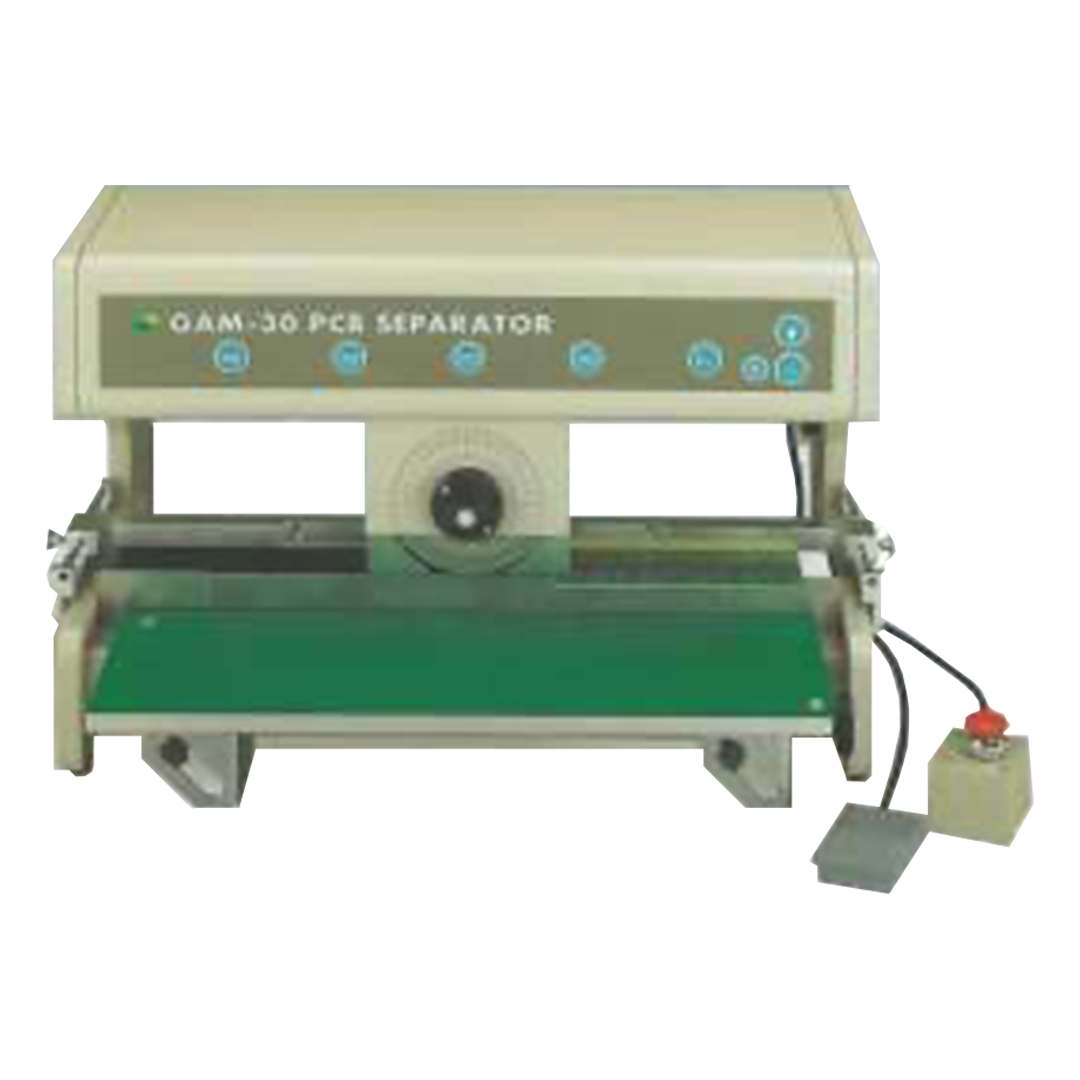
In electronics manufacturing, even the smallest contamination can impact product performance and reliability. During PCB assembly, residues from flux, solder paste, dust, and handling can remain on the board surface. If not properly removed, these contaminants may lead to corrosion, leakage currents, or long-term failures. This is why investing in a reliable PCB cleaning machine for electronics manufacturing is essential for maintaining high-quality production standards.
Why PCB Cleaning Is Critical
After soldering processes such as reflow or wave soldering, flux residues and micro-contaminants often remain on the PCB. While some modern fluxes are designed to be low-residue, certain applications still require cleaning to meet strict quality and reliability standards, especially in industries like:
- Automotive electronics
- Medical devices
- Aerospace and defense
- Industrial control systems
- High-reliability consumer electronics
Proper PCB cleaning ensures improved insulation resistance, better adhesion for conformal coatings, and enhanced long-term durability of electronic assemblies.
What Is a PCB Cleaning Machine?
A PCB cleaning machine is specialized equipment designed to remove contaminants from assembled circuit boards using controlled cleaning processes. These machines are engineered to deliver consistent cleaning results without damaging sensitive components.
Depending on the application, PCB cleaning machines use different methods such as:
- Aqueous cleaning systems using deionized water and cleaning agents
- Spray-in-air cleaning systems for effective residue removal
- Ultrasonic cleaning for precision cleaning of complex assemblies
- Solvent-based cleaning systems for specific industrial applications
Each method is selected based on contamination type, board complexity, and production requirements.
Key Features of an Effective PCB Cleaning Machine
When selecting a PCB cleaning machine, manufacturers should consider several important features:
- Efficient Contaminant Removal: The machine should effectively remove flux residues, solder paste, and particulate contamination without leaving residues behind.
- Controlled Cleaning Process: Precise control over temperature, pressure, and cleaning cycles ensures consistent results across different PCB types.
- Component Safety: Advanced machines are designed to clean delicate components without causing mechanical or thermal damage.
- Drying Capability: Integrated drying systems ensure that boards are completely dry after cleaning, preventing moisture-related issues.
- Environmental Compliance: Modern cleaning systems are designed to minimize water usage, reduce chemical waste, and comply with environmental regulations.
Benefits of Using PCB Cleaning Machines
Implementing a PCB cleaning process in electronics manufacturing provides multiple advantages:
- Improved electrical performance and insulation reliability
- Reduced risk of corrosion and leakage currents
- Enhanced product lifespan and durability
- Better adhesion for coatings and encapsulation
- Compliance with global quality standards
For industries that require high reliability, PCB cleaning is not just an optional step but a critical part of the production process.
Choosing the Right PCB Cleaning Solution Provider
Selecting the right equipment is only part of the process. Manufacturers also need a reliable supplier who understands their production requirements and provides appropriate solutions.
Companies like Sumitron support electronics manufacturers by offering advanced PCB cleaning solutions, soldering equipment, and industrial consumables. With expertise in electronic manufacturing processes and global sourcing capabilities, Sumitron helps businesses implement effective cleaning systems that improve overall production quality.
Conclusion
PCB cleaning plays a vital role in ensuring the performance and reliability of electronic products. As manufacturing standards become more stringent, the use of a reliable PCB cleaning machine for electronics manufacturing is essential for removing contaminants and maintaining product quality.
By investing in advanced cleaning technology and working with experienced suppliers, manufacturers can enhance their production processes, reduce defects, and deliver high-quality electronic products that meet global standards.
Read Also This Blog