
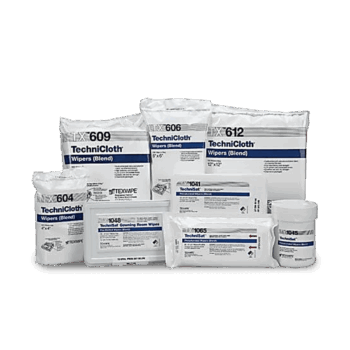
The electronics manufacturing industry requires extremely high levels of accuracy, reliability, and quality control. From semiconductor components and printed circuit boards (PCBs) to sensors, displays, and advanced electronic assemblies, even a small amount of contamination can affect product performance and lead to costly failures.
To maintain strict quality standards, manufacturers operate in controlled environments known as cleanrooms. These specialized spaces are designed to minimize airborne particles, control temperature and humidity, prevent electrostatic discharge (ESD), and provide a safe working environment for sensitive electronic components.
A cleanroom is not only dependent on air filtration systems but also on the right range of cleanroom products for electronics manufacturing. Cleanroom furniture, storage solutions, ESD-safe workstations, transfer equipment, protective garments, and contamination control accessories all contribute to maintaining production quality.
Companies like Sumitron provide cleanroom solutions and products designed for industries where precision and cleanliness are critical, including electronics manufacturing, semiconductor production, and other technology-driven sectors.
Why Cleanrooms Are Important in Electronics Manufacturing
Electronic components are becoming smaller, faster, and more complex with every generation. Modern manufacturing processes involve microscopic circuits and highly sensitive materials that can easily be damaged by dust particles, moisture, chemicals, or static electricity.
Even a tiny particle can create defects during semiconductor fabrication or PCB assembly. These defects may not always be visible during production but can result in product failures after installation.
Cleanrooms help manufacturers control:
- Airborne particle levels
- Static electricity
- Temperature and humidity
- Chemical contamination
- Human-generated contaminants
- Material handling risks
Maintaining a controlled environment improves production efficiency, reduces rejection rates, and helps manufacturers meet strict quality requirements.
Key Cleanroom Products Used in Electronics Manufacturing
Cleanrooms require different types of equipment and accessories to maintain controlled conditions. Each product plays an important role in preventing contamination and protecting sensitive electronic components.
1. ESD Safe Workstations
Electrostatic discharge (ESD) is one of the biggest concerns in electronics manufacturing. Static electricity can damage sensitive components such as integrated circuits, processors, sensors, and semiconductor devices.
ESD-safe workstations are specially designed to control static charges and safely discharge electrical energy.
Important features include:
- Conductive work surfaces
- Grounding systems
- ESD-safe materials
- Ergonomic designs
- Chemical-resistant surfaces
These workstations provide a safe environment for assembly, inspection, testing, and repair activities. For electronics manufacturers, using ESD-safe workstations helps reduce component damage and improves production reliability.
2. Cleanroom Tables and Furniture
Regular furniture can release particles, collect dust, and become a contamination source inside controlled environments. Cleanroom furniture is manufactured using materials that are easy to clean and suitable for sensitive manufacturing processes.
Common cleanroom furniture includes:
- Cleanroom tables
- Storage cabinets
- Shelving systems
- Chairs and stools
- Tool carts
- Work benches
These products are generally made from stainless steel or other contamination-resistant materials.
Benefits of cleanroom furniture include:
- Easy maintenance
- Long operational life
- Reduced particle generation
- Compatibility with cleanroom standards
Proper cleanroom furniture helps create an organized workspace where operators can perform precision tasks efficiently.
3. Cleanroom Storage Solutions
Storage plays an important role in electronics manufacturing because components need protection before assembly.
Cleanroom storage solutions prevent contamination while ensuring easy access to materials.
Common storage products include:
- Stainless steel cabinets
- Component racks
- Cleanroom shelves
- Material handling bins
- ESD-safe storage containers
These storage solutions protect sensitive electronic parts from dust, moisture, and static damage. Organized storage also improves workflow and reduces unnecessary movement inside the cleanroom.
4. Pass Boxes and Transfer Chambers
Material transfer is one of the biggest contamination risks in cleanroom environments. Pass boxes help move materials, tools, and components between different areas without directly exposing the cleanroom to external surroundings.
Features of pass boxes include:
- Interlocking doors
- Stainless steel construction
- Easy-to-clean surfaces
- UV sterilization options
- HEPA filtration systems
In electronics manufacturing facilities, pass boxes help maintain cleanliness levels while improving material handling efficiency.
5. Cleanroom Garments and Protective Accessories
Operators are one of the major sources of contamination inside a cleanroom. Human activities can release skin particles, hair, and fibers that may affect sensitive electronic manufacturing processes.
Cleanroom garments reduce the risk of contamination by creating a protective barrier.
Common protective products include:
- Cleanroom coveralls
- Shoe covers
- Face masks
- Gloves
- Caps
- Sleeves
Using proper cleanroom apparel helps maintain required cleanliness levels and protects manufacturing processes from human-generated contamination.
6. Cleanroom Flooring and Mats
Floor contamination can spread through movement and foot traffic. Cleanroom flooring solutions help reduce particle transfer and improve workplace safety.
Common products include:
- ESD flooring
- Sticky mats
- Anti-static mats
- Cleanroom vinyl flooring
For electronics manufacturing, ESD protection is especially important because uncontrolled static discharge can damage expensive electronic components.
7. HEPA Filter Units and Air Management Products
Air quality is the foundation of any cleanroom environment. HEPA filtration systems remove airborne particles and maintain required cleanliness levels.
Cleanroom air management products include:
- HEPA filter units
- Fan filter units (FFUs)
- Air showers
- Laminar flow cabinets
These systems continuously filter and circulate air to maintain controlled environmental conditions.
Importance of ESD Control in Electronics Cleanrooms
Electrostatic discharge is a major challenge in electronics manufacturing. Unlike visible contamination, static damage can occur without immediate signs.
A component affected by ESD may pass initial testing but fail later during customer usage.
A complete ESD control program includes:
- ESD-safe flooring
- Grounded workstations
- Anti-static clothing
- Conductive storage solutions
- Regular monitoring equipment
Using proper ESD-safe cleanroom products helps manufacturers reduce product failures and improve overall reliability.
How Cleanroom Products Improve Electronics Manufacturing Efficiency
Cleanroom products are not only used for maintaining cleanliness. They also improve manufacturing operations and productivity.
- Better Product Quality: Controlled environments reduce contamination-related defects, helping manufacturers produce reliable electronic products.
- Reduced Production Losses: Lower rejection rates reduce material wastage and improve manufacturing profitability.
- Improved Worker Productivity: Ergonomic workstations and organized storage systems allow operators to work efficiently.
- Support for Industry Standards: Many electronics manufacturers must follow strict quality requirements. Proper cleanroom infrastructure supports compliance with industry expectations.
Choosing the Right Cleanroom Products for Electronics Manufacturing
Selecting suitable cleanroom products depends on several important factors.
- Cleanroom Classification: Different manufacturing processes require different cleanliness levels. Semiconductor production may require stricter controls compared to general electronics assembly.
- Material Quality: Products should be manufactured using materials that do not generate particles and can withstand regular cleaning procedures.
- ESD Requirements: Manufacturers handling sensitive electronic components should prioritize ESD-safe products.
- Workflow Requirements: Furniture, storage systems, and transfer solutions should support smooth movement of materials and operators.
- Maintenance Needs: Products should be durable, easy to clean, and suitable for long-term industrial use.
Why Choose Sumitron for Cleanroom Solutions?
Electronics manufacturing requires reliable cleanroom infrastructure where every product contributes to maintaining quality and efficiency.
Sumitron provides cleanroom solutions designed for industries that require controlled environments and contamination management. With expertise in cleanroom equipment and industrial requirements, Sumitron helps businesses create efficient and reliable manufacturing spaces.
From cleanroom furniture and accessories to contamination control products, selecting the right solutions helps electronics manufacturers maintain production standards and protect sensitive components.
Future of Cleanroom Requirements in Electronics Manufacturing
As electronic devices become smaller and more advanced, manufacturing processes will require greater precision and stricter contamination control.
The demand for cleanroom solutions is expected to grow across industries such as:
- Semiconductor manufacturing
- Consumer electronics
- Medical electronics
- Automotive electronics
- Aerospace electronics
Manufacturers will continue investing in advanced cleanroom products to improve reliability, reduce defects, and maintain competitive production standards.
Role of Cleanroom Products in Building Reliable Electronics Manufacturing Facilities
As electronics manufacturing continues to advance, companies need more than just basic contamination control measures. A properly equipped cleanroom creates a disciplined production environment where every activity, from component handling to final inspection, follows strict quality practices. Cleanroom products help maintain consistency across manufacturing operations by reducing external risks and improving process control.
Investing in reliable cleanroom infrastructure also supports long-term business growth. With increasing demand for high-performance electronic devices, manufacturers must ensure their production facilities can handle advanced technologies while maintaining accuracy and reliability. The right combination of cleanroom equipment, ESD protection solutions, and contamination control products allows companies to achieve better manufacturing outcomes and deliver dependable electronic products to customers.
Frequently Asked Questions (FAQs)
Q1. Why are cleanroom products important for electronics manufacturing?
Ans. Cleanroom products help maintain controlled environments by reducing contamination, managing static electricity, and protecting sensitive electronic components during manufacturing.
Q2. What are the most commonly used cleanroom products in electronics manufacturing?
Ans. Common products include ESD workstations, cleanroom furniture, storage cabinets, pass boxes, cleanroom garments, flooring solutions, and air filtration equipment.
Q3. How does ESD-safe equipment help electronics manufacturers?
Ans. ESD-safe equipment prevents electrostatic discharge that can damage sensitive electronic components such as semiconductor chips and circuit boards.
Q4. What materials are preferred for cleanroom furniture?
Ans. Stainless steel and other contamination-resistant materials are commonly preferred because they are durable, easy to clean, and generate fewer particles.
Q5. Are cleanroom garments necessary for electronics manufacturing?
Ans. Yes. Cleanroom garments reduce contamination caused by human particles such as skin flakes, hair, and fibers from regular clothing.
Q6. How do pass boxes help maintain cleanroom standards?
Ans. Pass boxes allow materials and tools to move between different areas while reducing the risk of contamination entering the controlled environment.
Q7. What factors should be considered when selecting cleanroom products?
Ans. Manufacturers should consider cleanroom classification, ESD requirements, material quality, workflow needs, and maintenance requirements.
Q8. Can cleanroom products improve manufacturing efficiency?
Ans. Yes. Proper cleanroom equipment improves organization, reduces production errors, protects components, and supports smoother manufacturing operations.
Q9. Which industries require cleanroom products apart from electronics?
Ans. Cleanroom products are also used in semiconductor, pharmaceutical, medical device, aerospace, automotive, and biotechnology industries.
Q10. How can Sumitron help with electronics manufacturing cleanroom requirements?
Ans. Sumitron provides cleanroom solutions and products designed to support controlled manufacturing environments with a focus on contamination control, quality, and operational efficiency.
Conclusion
Cleanroom products are essential for maintaining precision, contamination control, and ESD protection in electronics manufacturing. From ESD-safe workstations and cleanroom furniture to air filtration systems and protective garments, every component contributes to higher product quality and operational efficiency. Choosing reliable cleanroom solutions helps manufacturers reduce defects, improve productivity, and meet strict industry standards. With advanced cleanroom products from Sumitron, businesses can build dependable manufacturing environments that support long-term performance and consistent production quality.
Read Also This Blog


[…] Cleanroom Products for Electronics Manufacturing […]