
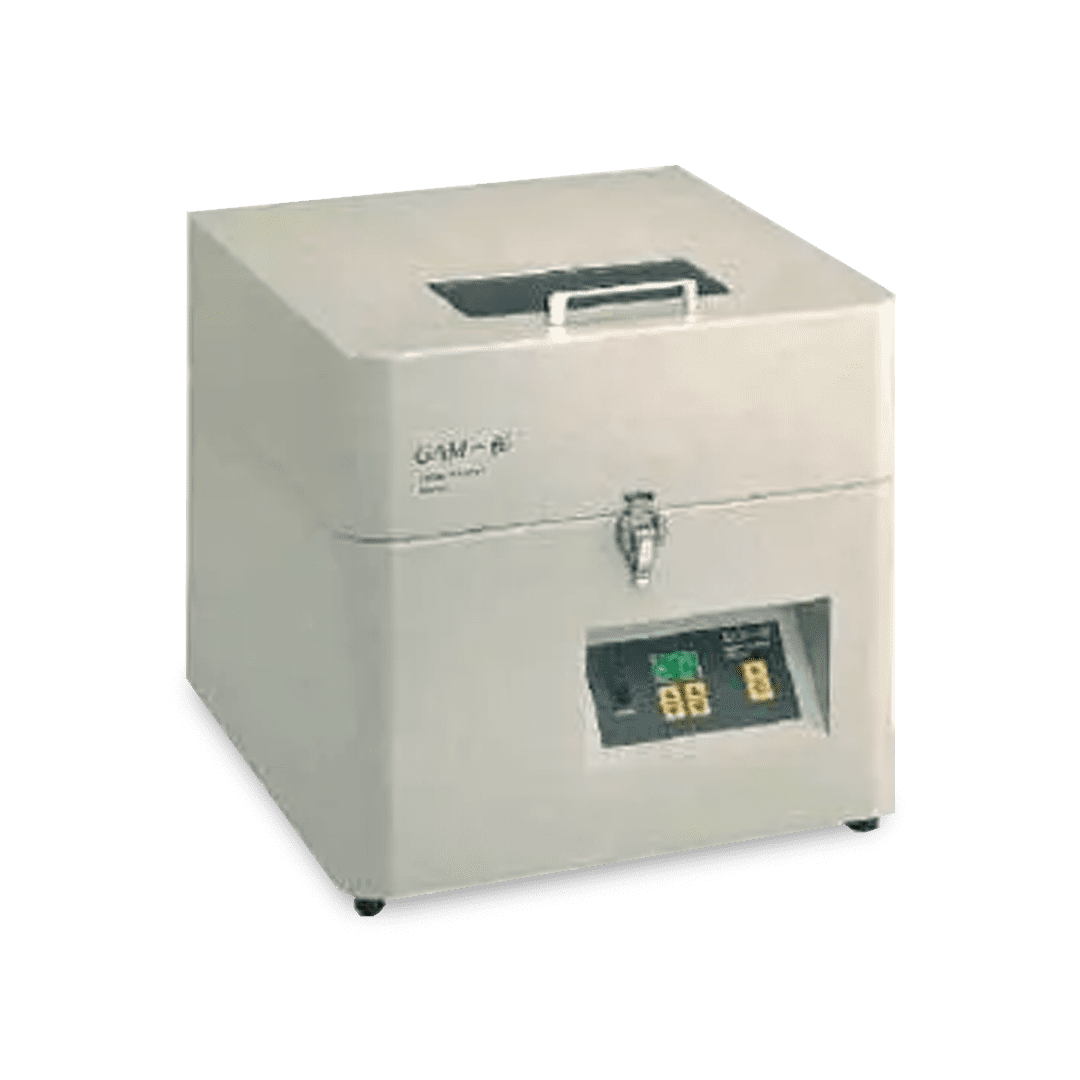
Surface Mount Technology, commonly known as SMT, has become the foundation of modern electronics manufacturing. From compact consumer devices to complex industrial systems, SMT enables high-density, reliable, and cost-efficient electronic assemblies. To achieve consistent quality and scalable production, manufacturers rely heavily on SMT process equipment for electronics manufacturing that is precise, stable, and industry compliant.
Understanding the SMT Process in Electronics Manufacturing
The SMT process involves mounting electronic components directly onto the surface of printed circuit boards. Unlike traditional through-hole assembly, SMT allows for smaller components, higher circuit density, and faster production cycles. A typical SMT production line includes multiple stages, each requiring specialized equipment.
Key stages of the SMT process include:
- Solder paste application
- Component placement
- Reflow soldering
- Inspection and rework
Each stage plays a vital role in ensuring electrical performance, mechanical strength, and long-term reliability of the final product.
Core SMT Process Equipment Used in Manufacturing
Before understanding individual machines, it is important to look at SMT process equipment as a complete production ecosystem. Each system in the SMT line is designed to support accuracy, process stability, and consistent output. From soldering to inspection, every piece of equipment plays a specific role in maintaining assembly quality, reducing defects, and ensuring long-term reliability in electronics manufacturing.
1. Soldering and Reflow Equipment
Reflow soldering systems are used to permanently bond surface-mounted components to PCBs. These systems must offer precise temperature profiling, uniform heat distribution, and repeatable performance to avoid defects such as cold joints or component damage.
2. Soldering and Desoldering Stations
Manual and semi-automated soldering stations are essential for prototype development, repair, and selective soldering. Desoldering systems support safe removal of components during rework without damaging pads or tracks.
3. Rework and Repair Systems
Rework stations allow controlled heating and component replacement on populated boards. They are critical for correcting assembly errors, upgrading components, and extending the life of high-value PCBs.
4. Inspection and Quality Control Tools
Visual inspection systems, magnification tools, and thermal analysis devices help identify soldering defects, misalignment, or insufficient wetting. Early detection reduces scrap rates and improves yield.
Importance of High-Quality SMT Equipment
In electronics manufacturing, even minor process inconsistencies can lead to major quality issues. Reliable SMT process equipment helps manufacturers achieve:
- Consistent solder joint quality
- Reduced rework and production losses
- Higher throughput and operational efficiency
- Compliance with international quality and safety standards
- Long-term stability in high-volume production
As component sizes continue to shrink and board complexity increases, the demand for advanced SMT equipment becomes even more critical.
Choosing the Right SMT Equipment Partner
Selecting the right equipment is only part of the equation. Manufacturers also need a supplier who understands real-world production challenges and provides ongoing technical support.
A dependable SMT equipment partner offers:
- A complete portfolio covering soldering, rework, and inspection
- Equipment suitable for both low-volume and high-volume production
- Application-specific recommendations based on industry needs
- Training, installation support, and after-sales service
In India, companies like Sumitron support electronics manufacturers by supplying globally trusted SMT process equipment along with technical expertise and service support. Such partnerships help manufacturers maintain quality, efficiency, and scalability as production demands grow.
SMT Equipment and the Future of Electronics Manufacturing
With the rise of electric vehicles, renewable energy systems, IoT devices, and industrial automation, electronics manufacturing is becoming more advanced and demanding. SMT process equipment will continue to evolve to support finer pitch components, lead-free soldering, and environmentally compliant manufacturing.
Manufacturers who invest in the right SMT process equipment today position themselves for long-term competitiveness, higher product reliability, and smoother production workflows.
Conclusion
SMT process equipment is the backbone of modern electronics manufacturing. From soldering and rework to inspection and quality control, each system contributes to the performance and reliability of electronic products. By choosing the right equipment and working with an experienced supplier, manufacturers can achieve consistent quality, reduce operational risks, and scale production efficiently in an increasingly competitive electronics market.
Read Also This Blog