
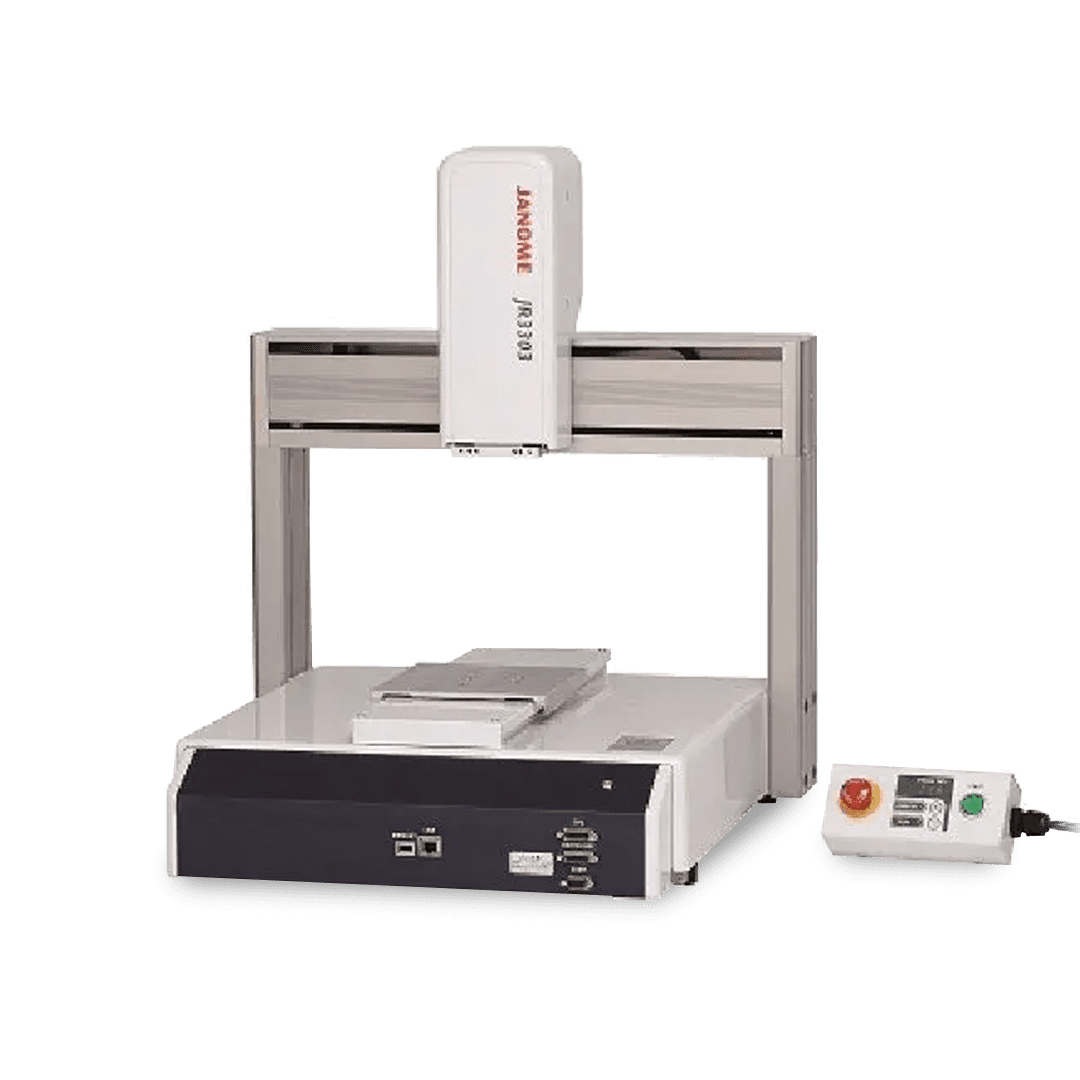
Modern industries depend on precision, speed, and consistency to maintain product quality. From electronics manufacturing and automotive production to pharmaceuticals, medical devices, and chemical industries, accurate liquid handling plays an important role in maintaining efficient operations.
Even a small variation in liquid quantity, flow rate, or dispensing position can impact the quality of the final product. It can lead to material wastage, production delays, and inconsistent results. This is why businesses are increasingly adopting automated liquid dispensing solutions to improve accuracy and process control.
Automated dispensing systems are designed to deliver precise amounts of liquids, adhesives, chemicals, coatings, lubricants, and other fluids with minimal human involvement. These systems help manufacturers improve productivity, reduce errors, and maintain consistent quality throughout the production process.
Companies like Sumitron provide advanced automation solutions that support industries with reliable and efficient dispensing technologies designed according to specific manufacturing requirements.
What Are Automated Liquid Dispensing Solutions?
Automated liquid dispensing solutions are advanced systems that control the movement and application of liquids through programmed operations. Unlike manual dispensing methods, these systems use controllers, pumps, valves, sensors, and software to dispense accurate quantities of liquids at specific locations.
These systems are capable of handling different types of materials, including adhesives, sealants, lubricants, resins, oils, solvents, chemicals, medical fluids, and coatings.
Depending on the application, automated dispensing equipment can be designed for micro-volume dispensing, high-volume filling, spray applications, or continuous liquid flow operations.
The main purpose of these systems is to improve precision, reduce dependency on manual processes, and maintain consistency in industrial applications.
Why Industries Are Adopting Automated Liquid Dispensing Systems
Manufacturing processes today require higher accuracy and better control to meet quality standards. Manual liquid dispensing often creates challenges such as inconsistent quantities, operator dependency, material wastage, and slower production cycles.
Automated liquid dispensing systems help overcome these challenges by providing controlled and repeatable operations.
Improved Dispensing Accuracy
Accuracy is one of the biggest advantages of automated dispensing technology. In industries such as electronics and medical manufacturing, even a minor difference in liquid quantity can affect product performance.
Automated systems use precision pumps, valves, and control mechanisms to deliver exact amounts of material during every cycle. This ensures consistent application and improves overall product reliability.
Better dispensing accuracy helps manufacturers achieve:
- Consistent product quality
- Reduced production defects
- Improved material utilization
- Higher process reliability
For applications requiring extremely small quantities, precision dispensing equipment provides better results compared to traditional manual methods.
Reduced Material Wastage
Many industrial liquids used during manufacturing are expensive. Excess application, leakage, or incorrect dispensing can increase production costs.
Automated liquid dispensing solutions control the exact amount of material required for each application. This helps reduce unnecessary consumption and improves cost efficiency.
By maintaining accurate dispensing volume and flow control, manufacturers can achieve better resource management while reducing operational expenses.
Increased Production Efficiency
Manual dispensing processes can become time-consuming, especially in high-volume manufacturing environments.
Automated dispensing machines perform repetitive operations quickly and consistently without operator fatigue. This allows companies to increase production capacity while maintaining product quality.
Automation also helps reduce production delays caused by manual errors and improves overall workflow efficiency.
Better Quality Control
Quality consistency is essential for modern manufacturing. Automated dispensing systems allow manufacturers to monitor and control every stage of the dispensing process.
Features such as programmable settings, sensors, digital controls, and automated calibration help maintain consistent performance.
This level of control is especially valuable in industries where product reliability and accuracy are critical.
Applications of Automated Liquid Dispensing Solutions
Automated liquid dispensing technology is used across various industries because of its flexibility and precision.
Electronics Manufacturing
The electronics industry requires highly accurate dispensing for applications such as adhesive bonding, component assembly, encapsulation, and protective coating.
Small electronic components need precise amounts of material to ensure proper functionality and durability.
Automated dispensing systems help manufacturers achieve accurate placement while reducing defects during production.
Automotive Industry
Automotive manufacturing involves several liquid-based applications, including sealant application, lubrication, adhesive bonding, and coating processes.
Automated liquid dispensing systems ensure consistent application of materials used in vehicle components.
These systems help improve production quality and support the manufacturing of reliable automotive parts.
Pharmaceutical and Medical Industries
Pharmaceutical and medical industries require strict accuracy and controlled processes.
Automated dispensing solutions are used for applications such as laboratory processes, medical fluid handling, sample preparation, and pharmaceutical manufacturing.
Automation helps maintain hygiene standards, reduces contamination risks, and improves process reliability.
Chemical and Industrial Manufacturing
Chemical industries often require accurate handling of different fluids and materials.
Automated dispensing equipment helps manage chemical dosing, coating applications, mixing processes, and industrial fluid management.
These systems provide better safety, accuracy, and operational control.
Key Components of an Automated Liquid Dispensing System
An automated liquid dispensing system consists of multiple components that work together to provide accurate and controlled dispensing.
Dispensing Controller
The controller manages the overall dispensing operation by controlling parameters such as volume, speed, pressure, and timing.
It ensures that the dispensing process follows the required settings for consistent results.
Pumps and Valves
Pumps and valves control the movement of liquids through the system.
The selection of pumps and valves depends on factors such as:
- Liquid viscosity
- Required accuracy
- Dispensing volume
- Production speed
Dispensing Nozzles
Dispensing nozzles determine how liquids are applied to the required surface or component.
Different nozzle designs are selected based on material properties and application requirements.
Sensors and Automation Controls
Sensors help monitor the dispensing process and provide feedback for better performance.
They can measure liquid levels, positioning accuracy, and flow consistency to maintain reliable operations.
Factors to Consider When Selecting an Automated Liquid Dispensing System
Choosing the right dispensing solution depends on various factors related to the application and production requirements.
Type of Liquid Material
Different liquids have different characteristics, such as viscosity, chemical properties, and temperature sensitivity.
The dispensing system should be compatible with the material to ensure smooth operation and accurate application.
Required Accuracy Level
Industries requiring precise dispensing should select systems capable of maintaining the required tolerance levels.
High-precision applications need advanced control systems to achieve consistent results.
Production Requirements
Manufacturers should consider factors such as production volume, operating speed, automation requirements, and integration capabilities before selecting equipment.
A suitable dispensing system should support current needs while allowing future scalability.
Maintenance and Support
Regular maintenance is important for maintaining system performance and preventing production downtime.
Reliable technical support ensures that equipment continues to operate efficiently over time.
How Sumitron Supports Industrial Liquid Dispensing Requirements
Industries today require automation solutions that provide accuracy, reliability, and improved production control. Sumitron offers advanced automation solutions designed to meet modern manufacturing requirements.
With expertise in industrial automation, Sumitron helps businesses implement suitable dispensing technologies based on their application needs.
The right dispensing solution depends on several factors, including liquid properties, production requirements, accuracy levels, and process conditions. A customized approach ensures better performance and improved manufacturing results.
By adopting automated liquid dispensing solutions, industries can achieve better consistency, reduce wastage, and maintain higher quality standards.
Future of Automated Liquid Dispensing Technology
The demand for automated dispensing solutions continues to grow as industries focus on improving efficiency and manufacturing quality.
Future advancements in dispensing technology are expected to include improved automation controls, better monitoring systems, smart factory integration, and enhanced data analysis capabilities.
Manufacturers are adopting these solutions to improve productivity while maintaining better control over resources and processes.
As industries continue to demand higher precision and reliability, automated liquid dispensing systems will remain an important part of modern manufacturing operations.
Frequently Asked Questions (FAQs)
Q1. What are automated liquid dispensing solutions?
Ans. Automated liquid dispensing solutions are systems that use automated controls, pumps, valves, and software to dispense liquids accurately and consistently in industrial processes.
Q2. Which industries use automated liquid dispensing systems?
Ans. These systems are widely used in electronics, automotive, pharmaceuticals, medical devices, chemicals, and industrial manufacturing sectors.
Q3. What are the benefits of an automated liquid dispensing system?
Ans. The major benefits include improved accuracy, reduced material wastage, faster production, better quality control, and consistent dispensing performance.
Q4. Can automated dispensing systems handle different types of liquids?
Ans. Yes, automated dispensing equipment can handle various liquids such as adhesives, lubricants, chemicals, coatings, oils, and other industrial fluids.
Q5. How do automated dispensing systems improve accuracy?
Ans. These systems use programmed controls, sensors, and precision components to maintain accurate dispensing volume, timing, and placement.
Q6. Are automated liquid dispensing solutions suitable for small-volume applications?
Ans. Yes, many automated dispensing systems are designed for micro-volume applications where highly precise liquid quantities are required.
Q7. How do automated dispensing systems reduce manufacturing costs?
Ans. They reduce costs by minimizing material wastage, lowering production errors, improving efficiency, and reducing manual intervention.
Q8. What factors should be considered before selecting a liquid dispensing system?
Ans. Important factors include liquid type, viscosity, accuracy requirements, production speed, automation level, and maintenance needs.
Q9. Can automated dispensing systems be integrated with existing production lines?
Ans. Yes, many systems can be integrated with existing manufacturing setups to improve workflow and automation capabilities.
Q10. Why should industries invest in automated liquid dispensing solutions?
Ans. Industries invest in these solutions to achieve better product quality, improved productivity, reduced wastage, and greater control over manufacturing processes.
Conclusion
Automated Liquid Dispensing Solutions have become an essential part of modern manufacturing by improving precision, reducing material wastage, and increasing production efficiency. From electronics and automotive to pharmaceuticals and chemical processing, these systems help businesses achieve consistent quality while streamlining operations. By selecting the right dispensing technology, manufacturers can enhance productivity, optimize resource utilization, and support long-term operational growth. With Sumitron’s expertise in industrial automation, businesses can implement reliable liquid dispensing solutions tailored to their specific production requirements.
Read Also This blog